
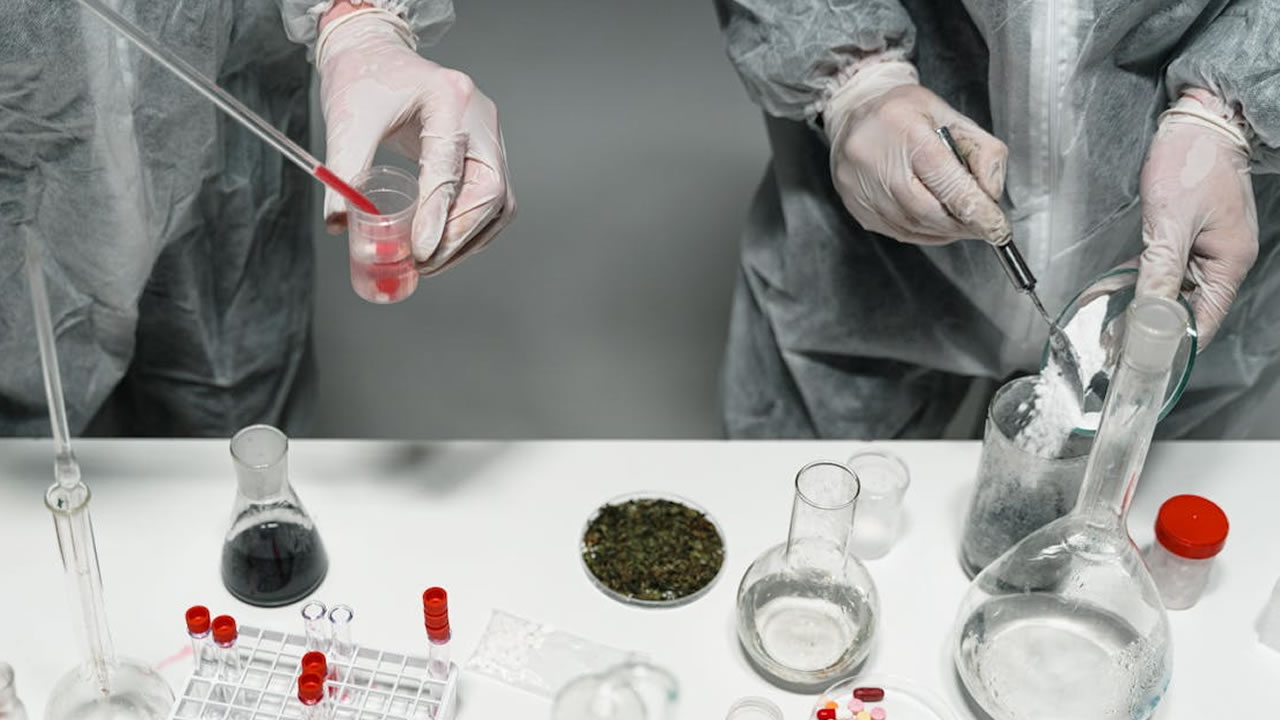
What types of drug tests are required by the DOT? : The Department of Transportation (DOT) upholds strict drug and alcohol testing criteria to protect the safety of the roads and to keep Commercial Driver’s License (CDL) holders in compliance. The Federal Motor Carrier Safety Administration (FMCSA) requires all employers and drivers under DOT authority to conduct certain specified types of testing throughout the course of employment and under certain circumstances. These tests are aimed at ascertaining the presence of various prohibited substances, including marijuana (THC), cocaine, opioid substances, amphetamines, and phencyclidine (PCP). Understanding the various requirements of DOT drug testing is necessary for drivers and fleet managers in order to achieve compliance and avoid any consequent penalties.
- DOT Pre-Employment Drug Test Requirements for CDL Drivers
Before any CDL driver operates a commercial motor vehicle, they’ve got to pass a pre-employment DOT drug test. This is mandated by law to ensure that no driver is admitted into work while impaired due to any substance. Employers should allow a driver to perform safety-sensitive functions until the driver has received verified negative drug test results from a certified SAMHSA lab. This test ensures safety and compliance with FMCSA drug and alcohol testing laws.
- Random, Post-Accident, and Reasonable Suspicion DOT Drug Testing
Random drug tests are a DOT requirement all through the year, aimed at deterring CDL drivers from drug use. Unannounced tests are randomly selected by a scientifically valid process. The post-accident test is conducted when a driver is involved in an accident that meets the requirement of DOT criteria; reasonable-suspicion testing is done when trained supervisors witness behavior that indicates drug use. All types of these tests help to ensure a drug-free transportation environment and safe highway use by the public.
- Return-to-Duty and Follow-Up Testing
When a driver violates DOT drug and alcohol rules, they will undergo return-to-duty procedures under the watch of a Substance Abuse Professional (SAP). The driver must successfully complete a return-to-duty drug test before being allowed to resume safety-sensitive duties. This may be followed by any number of follow-up tests, depending on the SAP’s prescribed schedule, which may last as long as five years. These procedures help ensure that drivers remain compliant and free from substance abuse after a violation and demonstrate DOT’s determination to uphold safety and accountability.
Disclaimer: The information provided in this blog post is for general informational purposes only. While we strive to keep the content accurate and up-to-date, we do not guarantee its completeness, reliability, or accuracy. Any actions you take based on this information are strictly at your own risk. We are not responsible for any losses, damages, or inconveniences that may arise from the use of this blog. For professional advice, please consult a qualified expert.