
Understanding the DOT-5 panel drug screening process for CDL drivers
What substances are included in a DOT drug panel? : DOT has maintained strict compliance with any commercial driver that falls under FMCSA. The DOT panel drug test, in a nutshell, screens for certain substances deemed safe for a driver to operate a commercial motor vehicle (CMV). The following substances are included in the DOT 5-panel drug test, what each test screens for, and why compliance matters to CDL drivers and the employer as well.
- The Overview on the Drug Test Panel of the DOT
The DOT drug test follows standards framed federally by the Substance Abuse and Mental Health Services Administration (SAMHSA). The five major classes of substances tested on the drug panel are those believed to most likely impair performance and reactions while driving. These substances are referred to as the DOT 5-panel drug.
- The Five Substances Tested in the DOT Drug Panel
a. Marijuana (THC)
The active ingredient present in marijuana, which is tetrahydrocannabinol (THC), is tested. Marijuana is illegal according to DOT regulations, even if otherwise accepted in certain states, to be present in the driver in any detectable amount.
b. Cocaine
Cocaine is highly dangerous for truck drivers because it causes short bursts of alertness followed by sudden fatigue. The DOT test screens for benzoylecgonine, a primary metabolite of cocaine.
c. Amphetamines
This category includes methamphetamine, amphetamine, and MDMA (Ecstasy). The drugs cause hyperactivity, impaired judgment, and erratic behavior—directly endangering safety on the roads.
d. Opiates (Opioids)
To this category belong codeine, morphine, and heroin (6-AM). Drowsiness and loss of coordination are important side effects of opioids; hence, the DOT has a zero tolerance policy for their effects in commercial drivers.
e. Phencyclidine (PCP)
PCP, known as angel dust, produces hallucinations and aggressive behavioral changes. Its detection would guarantee that no driver could be impaired while operating a commercial vehicle.
- DOT Drug Testing Process and Collection Methods
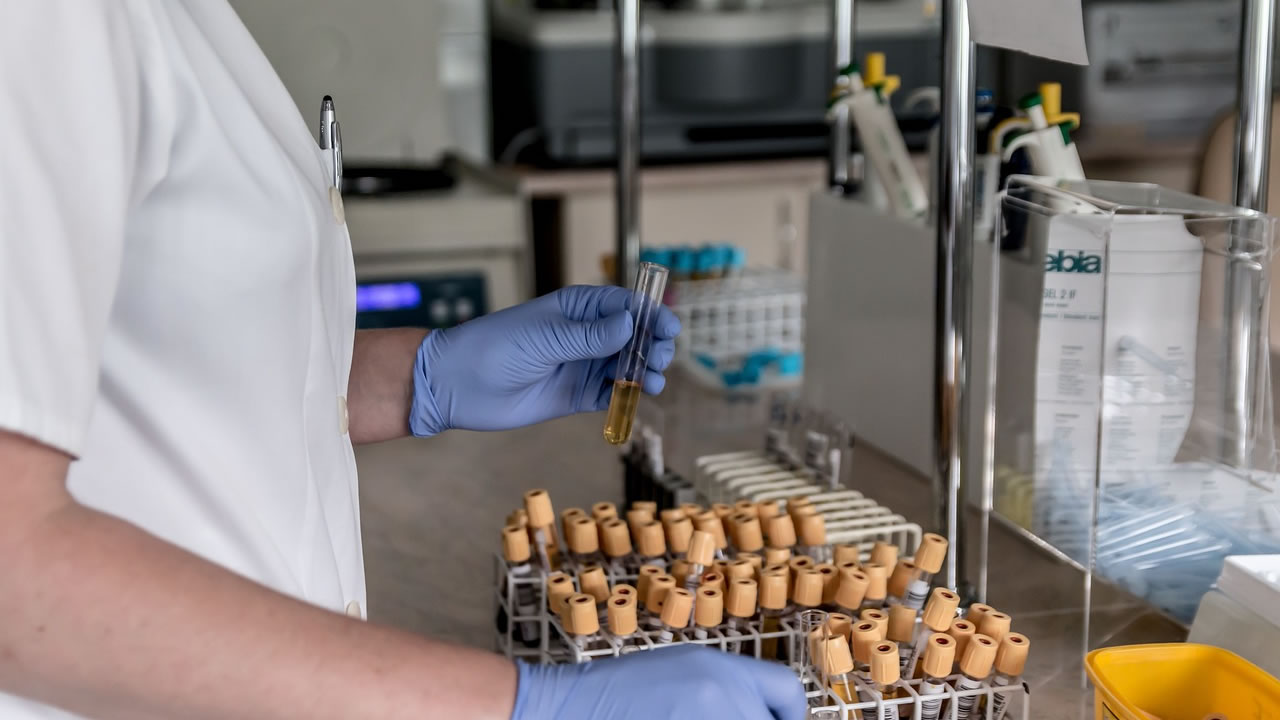
Drug testing conducted by the DOT uses urinalysis by controlled procedures as outlined in 49 CFR Part 40. Samples are collected by a certified medical review officer (MRO) and tested in SAMHSA-certified laboratories.
- Reason Why DOT Drug Testing Is Important for CDL Drivers
DOT drug testing promotes public safety, fleet compliance, and assurance, which says that all the CDL holders are working responsibly. The federal regulations bind their employers to conduct random, pre-employment, post-accidental, and reasonable-suspicion tests.
Every CDL driver and fleet operator should know what substances are included in a DOT drug panel. By being compliant with FMCSA regulations, drivers are not only protecting their professional license but are also making their contribution to highway safety across America.
Disclaimer: The information provided in this blog post is for general informational purposes only. While we strive to keep the content accurate and up-to-date, we do not guarantee its completeness, reliability, or accuracy. Any actions you take based on this information are strictly at your own risk. We are not responsible for any losses, damages, or inconveniences that may arise from the use of this blog. For professional advice, please consult a qualified expert.