
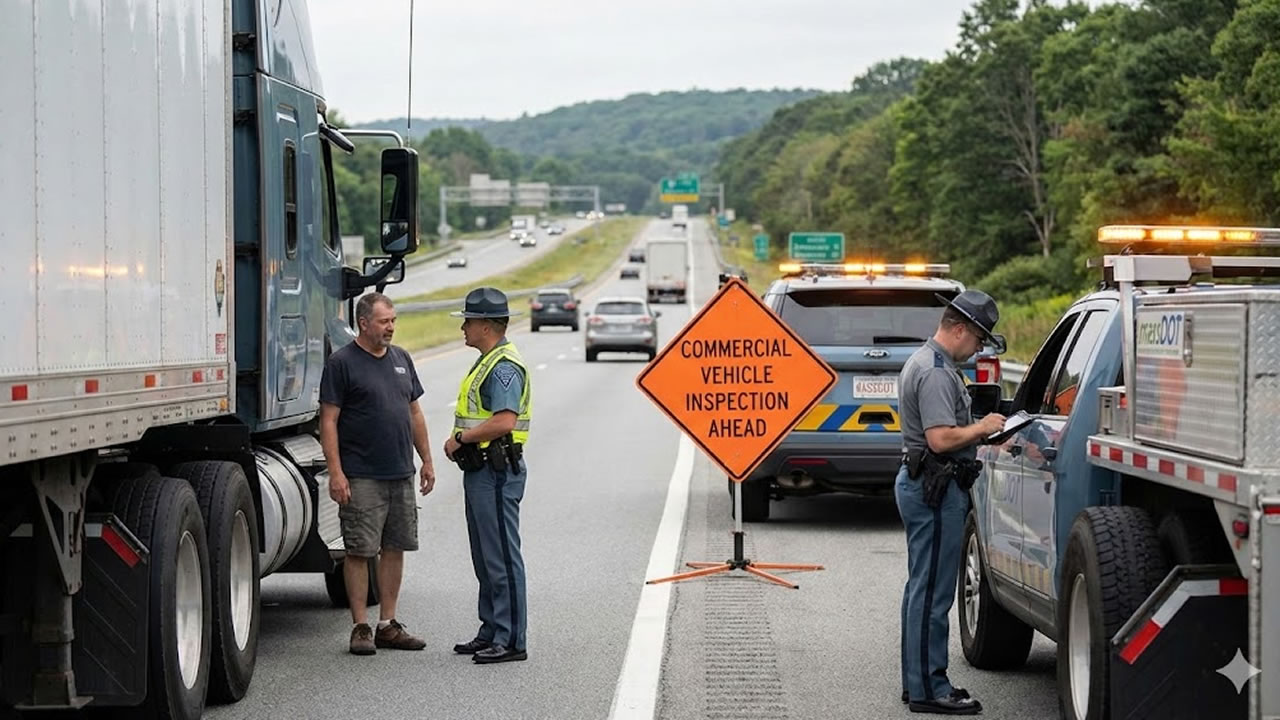
DOT Truck Inspection in Massachusetts: The DOT truck inspections that take place in Massachusetts function as essential components for both commercial vehicle safety and FMCSA compliance requirements. The inspections confirm that trucks that travel on Massachusetts highways align with both federal and state safety requirements. The DOT regulations, which govern all truck operators from interstate carriers to local fleet operators, help them establish proper compliance practices, which reduce roadside violations and protect their vehicles from legal penalties, and maintain their vehicles for road use. The DOT enforcement officers from Massachusetts conduct their inspection activities at weigh stations and ports of entry, and they perform random roadside inspections throughout the entire state.
T.D.&I. Truck Diagnostic & Inspections
243 Main St, Woburn, MA 01801
+17819352300
Mass Commercial Inspections (Commercial Vehicles only)
21 Wilbraham St, Palmer, MA 01069
+14133912705
Portside Truck & Auto Repair
100 Terminal St, Charlestown, MA 02129
+16172425782
Types of DOT Inspections Conducted Across Massachusetts
The operating conditions of commercial vehicles in Massachusetts determine their requirement for specific DOT inspection levels, which depend on their risk factors. The inspections evaluate driver credentials through basic checks while conducting full vehicle safety assessments. The inspectors assess logbooks together with hours-of-service records and medical certificates, and they inspect vehicle components, which include brakes and tires and lighting systems and coupling devices. The trucking companies maintain inspection readiness because it helps them prevent out-of-service orders and delays, which stem from inspection processes.
Key Vehicle and Driver Compliance Areas
The DOT truck inspections put special emphasis on evaluating both driver qualifications and the state of vehicles. The inspectors authenticate driver licensing through CDL verification while assessing driver competency and drug testing requirement compliance. The vehicle inspection process includes evaluating brake systems, steering systems, suspension systems, emergency equipment, and load securement systems. Regular preventive maintenance together with proper documentation practices enables efficient inspections while showing effective safety management capabilities.
Preparing for a Successful DOT Truck Inspection
The preparation process functions as the key factor that determines the success of DOT truck inspections in Massachusetts. The fleet operators achieve operational benefits because their staff conducts necessary pre-trip and post-trip vehicle assessments while they keep their maintenance documentation current, and they fix any identified issues. The combination of electronic logging device usage with complete inspection report maintenance and driver inspection procedure training leads to decreased compliance risks and higher CSA safety score improvements.
Why DOT Inspection Compliance Matters for Massachusetts Carriers
The maintenance of DOT truck inspection standards by carriers protects them from facing financial penalties and experiencing increased insurance costs and operational interruptions. The inspection history from strong inspection performance leads to better fleet performance, which makes roads safer while establishing credibility with law enforcement agencies. The Massachusetts trucking companies achieve operational confidence through their focus on compliance and vehicle readiness, which enables them to fulfill both state and federal transportation safety regulations.
Disclaimer: The information provided in this blog post is for general informational purposes only. While we strive to keep the content accurate and up to date, we do not guarantee its completeness, reliability, or accuracy. Any actions you take based on this information are strictly at your own risk. We are not responsible for any losses, damages, or inconveniences that may arise from the use of this blog. For professional advice, please consult a qualified expert.