
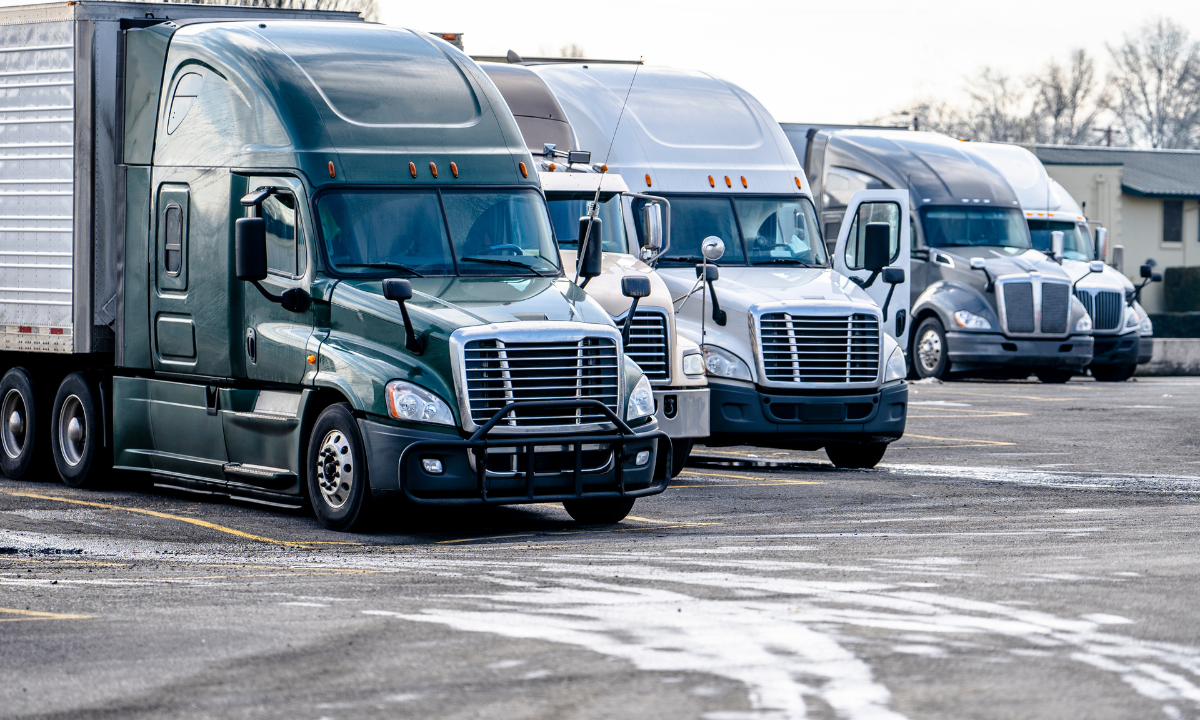
Truck parking near distribution centers has become an important concern for truck drivers, fleet owners, and logistics managers across the United States.. Drivers require secure and accessible parking spaces because of increasing freight demands and tighter delivery schedules which force them to wait for their loading or unloading times. The distribution centers at their facilities apply their operational schedules, which require drivers to spend time finding parking spaces after their arrival time or when their arrival time has been postponed.
The shortage of truck parking spaces creates multiple problems which include increased driver stress and fuel consumption and potential violations of hours-of-service laws. Drivers who need to park their vehicles at distribution hubs must know the best parking spots which help them maintain legal status while decreasing their waiting periods and enhancing their journey productivity.
Why Truck Parking Near Distribution Centers Matters
Distribution centers operate from industrial areas that experience heavy freight activities. Large retailers, warehouses, and logistics companies operate these centers to handle large volumes of incoming and outgoing shipments every day. Trucks require temporary parking near distribution centers because their drivers arrive before their assigned appointment times.
Many distribution centers fail to offer adequate parking space for trucks that require waiting time.
Drivers must use truck stops and rest areas and industrial parking spaces which are located near their current location. Secure parking facilities located at distribution centers enable drivers to protect themselves from parking violations while they rest until their scheduled time.
Fleet drivers need to find dependable truck parking spaces which will help them plan their routes efficiently while avoiding unplanned supply chain interruptions.
Common Parking Options Near Distribution Centers
Truck drivers have several parking options when operating near major distribution hubs. Each option provides different levels of safety and convenience and availability.
1. Truck Stops National truck stop chains provide the most reliable parking for drivers. The locations provide extensive parking space which can accommodate semi-trucks together with fuel stations and restrooms and food services and maintenance facilities.
2. Travel Centers Travel centers serve as truck stops that provide additional amenities which include showers and laundry facilities and driver relaxation spaces. The locations are situated between major highways and industrial areas which handle freight transportation.
3. Rest Areas Highway rest areas are another option for short-term parking. They offer free parking with basic facilities, but parking spots become unavailable during peak travel times.
4. Industrial Parking Zones Some industrial areas near warehouses allow designated truck parking. The locations serve as temporary parking spaces for drivers who have to wait until they get access to the warehouse, but the area might have safety concerns and parking problems.
Challenges Drivers Face When Parking Near Distribution Centers
It becomes extremely difficult to locate truck parking spaces which exist near active warehousing operations. The country lacks enough truck parking spaces which creates major obstacles for drivers. Parking facilities in the country keep up with increasing freight demands but the number of available spaces continues to decrease.
Industrial areas have parking restrictions which create another problem for drivers. Street parking on public spaces during the night gets prohibited in numerous cities, which leads drivers to travel far away from distribution centers to reach approved parking areas.
Drivers face difficulties with their time management tasks. Drivers must stop operating their vehicles when they reach their maximum driving time according to federal Hours-of-Service rules. If drivers cannot find a parking space, they will have to choose between parking in hazardous locations and violating parking regulations.
Secure parking facilities become absolutely essential for protecting cargo against theft and preventing vehicle damage at large freight hubs where valuable goods are frequently transported.
Tips for Finding Truck Parking Near Distribution Centers
The most effective method to stop parking issues from occurring at distribution centers involves distributing parking information about these facilities in advance.
The parking locations which drivers require to know about become familiar to them because they conduct their research before they get to their destination.
- Check truck parking apps and directories that list available truck stops and parking areas.
- Arrive early when possible, since parking spaces fill quickly during evening hours.
- Contact the distribution center to ask if limited staging or waiting areas are available.
- Use major truck stops located within 10–20 miles of the facility if on-site parking is unavailable.
- Follow local parking regulations to avoid fines or towing.
Fleet dispatchers assist drivers by providing them with the locations of parking spaces which exist along their delivery route and they plan their appointments with adequate time to spare.
The Future of Truck Parking Near Warehouses
The expansion of e-commerce and freight shipping creates a growing need for truck parking spaces which operate close to distribution centers. Industry groups and transportation agencies are working to address the problem by building new truck parking systems and developing smart parking system technology.
The logistics companies are developing staging areas which will function as designated waiting areas for trucks that arrive at large distribution centers. The solutions work to decrease traffic jams while enhancing safety and enabling better freight operations.
The trucking industry considers truck parking spaces near distribution centers as a crucial operational matter. Drivers need to prepare their parking strategy because of limited parking options and strict delivery timetable requirements and existing regulatory obligations.
Drivers can decrease their waiting time while driving efficiently by utilizing truck parking directories and establishing their routes and creating contact with dispatchers and warehouse operators. The logistics industry needs to enhance truck parking facilities in distribution center areas because freight demand continues to increase.