
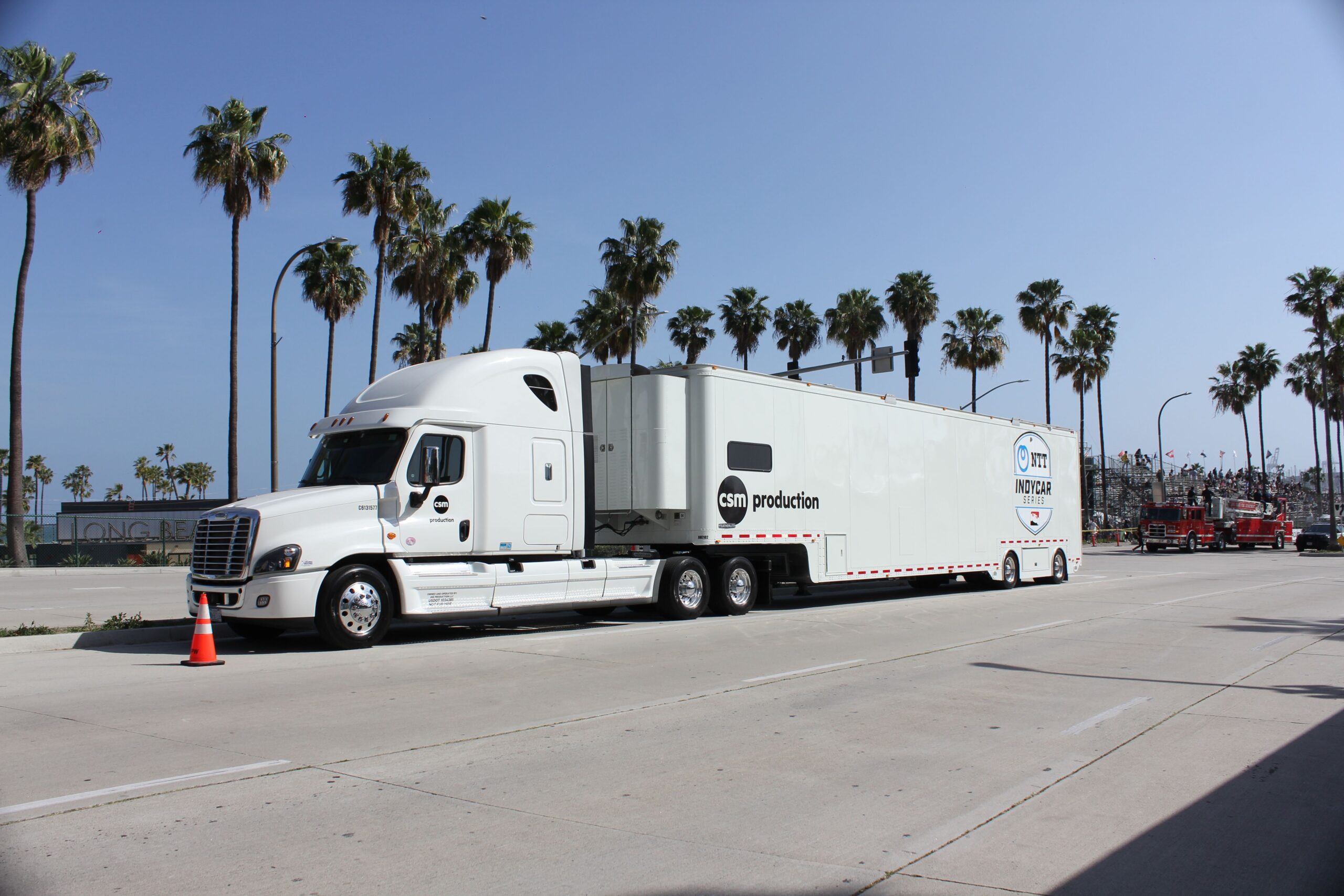
The demand for qualified commercial truck drivers continues to grow across Colorado, making CDL and ELDT schools in Denver, Colorado an excellent choice for anyone looking to begin a stable and rewarding career. Whether you want to drive locally, regionally, or across the country, completing Entry-Level Driver Training (ELDT) at an approved school is the first step toward earning your Commercial Driver’s License (CDL).
Denver’s central location, extensive highway network, and strong logistics industry provide students with valuable real-world driving experience before entering the workforce.
Why Choose Denver for CDL Training?
Denver is one of the largest transportation and distribution hubs in the Rocky Mountain region. Major interstate highways including I-25, I-70, I-76, and US-36 connect the city with important freight corridors throughout the western United States.
Students attending CDL schools in Denver benefit from:
- Diverse road and weather conditions
- Mountain and interstate driving experience
- High demand for commercial drivers
- Access to freight, construction, and delivery companies
- Multiple FMCSA-approved ELDT providers
Training in Denver helps students gain confidence operating commercial vehicles in urban traffic, highways, and varying elevations.
What is ELDT?
Entry-Level Driver Training (ELDT) is a federal training requirement established by the Federal Motor Carrier Safety Administration (FMCSA).
Drivers must complete ELDT before taking their CDL skills exam if they are applying for:
- Class A CDL
- Class B CDL
- Upgrading from Class B to Class A
- Certain endorsements including Passenger (P), School Bus (S), and Hazardous Materials (H)
Training must be completed through an FMCSA Training Provider Registry (TPR) approved school.
What you’ll learn during ELDT Training
Professional CDL schools combine classroom instruction with behind-the-wheel training to prepare students for real commercial driving.
Students typically learn:
CDL Theory
- Vehicle inspection
- Air brake systems
- Cargo securement
- Hours of Service regulations
- Driver safety
- Defensive driving
- Accident prevention
- Trip planning
Behind-the-Wheel Training
Students practice:
- Backing maneuvers
- Coupling and uncoupling
- Shifting techniques
- Turning safely
- Lane positioning
- Highway driving
- Night driving
- City driving
- Rural road driving
- Mountain driving
This balanced curriculum prepares students for both the CDL skills test and professional driving careers.
CDL License Classes
Class A CDL
A Class A CDL allows drivers to operate:
- Tractor-trailers
- Semi-trucks
- Tankers
- Flatbeds
- Livestock carriers
- Refrigerated trucks
This license offers the widest variety of trucking career opportunities.
Class B CDL
Class B licenses qualify drivers to operate:
- Straight trucks
- Dump trucks
- Cement mixers
- Box trucks
- Garbage trucks
- City buses
Many local driving jobs require only a Class B CDL.
Class C CDL
Although less common, Class C licenses cover:
- Passenger vans
- Small hazardous material vehicles
- Shuttle buses
Benefits of Attending a Denver CDL School
Choosing a local Denver CDL school provides several advantages.
Experienced Instructors
Students receive hands-on guidance from instructors with years of commercial driving experience.
Modern Equipment
Most schools train students using late-model tractors equipped with industry-standard safety features.
Flexible Schedules
Programs are often available:
- Full-time
- Evening
- Weekend
- Accelerated
Career Placement Assistance
Many Denver CDL schools maintain partnerships with regional and national trucking companies that actively recruit graduates.
Average CDL Training Length
Program length depends on the school and license type.
Typical training durations include:
- Full-time programs: 3–8 weeks
- Part-time programs: 8–12 weeks
- Weekend programs: 10–16 weeks
Students who attend consistently often complete training quickly and begin applying for driving positions soon after passing their CDL exam.
Cost of CDL Training in Denver
CDL training costs vary depending on the school and program.
Factors affecting tuition include:
- License class
- Program duration
- Equipment access
- Behind-the-wheel hours
- Endorsement preparation
Many schools offer:
- Payment plans
- Workforce grants
- Employer-sponsored tuition
- Veterans benefits
- Financial assistance for qualified students
Career Opportunities after Graduation
Graduates of Denver CDL schools may pursue careers in:
- Long-haul trucking
- Regional freight
- Local delivery
- Construction hauling
- Oil and gas transportation
- Food distribution
- Beverage delivery
- Municipal services
- Public transportation
- Waste management
Colorado’s expanding economy continues creating opportunities for qualified commercial drivers.
Skills Employers Look For
Successful truck drivers demonstrate:
- Safe driving habits
- Professional communication
- Time management
- Route planning
- Vehicle inspection skills
- DOT compliance
- Customer service
- Dependability
- Problem-solving
- Attention to detail
Developing these skills during training improves long-term career prospects.
Local CDL and ELDT Schools in Denver, Colorado
Below are several well-known CDL and ELDT training providers serving the Denver area.
United States Truck Driving School
Address: 8150 Cherry Avenue, Fontana, CA 92335 (Denver Training Location Available – Verify Before Enrolment)
Phone: (800) 550-9940
Sage Truck Driving Schools – Denver
Address: 700 Billings Street, Aurora, CO 80011
Phone: (303) 394-0500
Ancora Education – Denver CDL Training
Address: Denver Metro Area
Phone: Contact campus for current enrolment information.
Truck Driver Institute (TDI)
Address: Serving Colorado students through partner training locations.
Phone: Contact admissions for Colorado availability.
Community College of Denver CDL Program
Address: 1111 W Colfax Avenue, Denver, CO 80204
Phone: (303) 556-2600
How to Choose the Best CDL School in Denver
When comparing CDL schools, consider:
- FMCSA ELDT approval
- Instructor experience
- Student-to-truck ratio
- Driving hours included
- Job placement rates
- Tuition and financial aid
- Equipment quality
- Class schedules
- Employer partnerships
- Graduate reviews
Visiting the campus before enrolling can help you evaluate facilities and ask important questions.
Denver’s Strong Transportation Industry
Denver serves as a key freight hub for the western United States. Industries supporting commercial driving careers include:
- Retail distribution
- Food logistics
- Construction
- Manufacturing
- Agriculture
- Energy
- Warehousing
- E-commerce
Major highways and nearby distribution centers create consistent demand for skilled CDL drivers throughout the region.
Tips for CDL Students
Maximize your training experience by:
- Attending every class
- Practicing pre-trip inspections daily
- Studying the Colorado CDL Manual
- Asking instructors for feedback
- Improving backing skills
- Learning DOT regulations
- Practicing safe driving habits
- Staying physically and mentally prepared
Confidence develops through consistent practice and professional instruction.
Frequently Asked Questions
Is ELDT required before taking the CDL test?
Yes. Federal regulations require eligible first-time applicants to complete ELDT through an FMCSA-approved training provider before taking the CDL skills examination.
How long does CDL School take in Denver?
Most full-time programs can be completed in approximately three to eight weeks, while part-time programs generally take longer.
Can I get financial assistance?
Many CDL schools offer grants, scholarships, employer-sponsored tuition reimbursement, workforce development funding, and veteran education benefits for eligible students.
What jobs can I get after earning a CDL?
Graduates may qualify for positions in long-haul trucking, local delivery, construction transportation, bus driving, waste management, freight hauling, and other commercial driving roles.
Start Your CDL Career in Denver Today
Enrolling in a CDL and ELDT school in Denver, Colorado, is the first step toward a rewarding career in commercial transportation. With professional instruction, hands-on driving experience, and federally compliant ELDT training, you’ll be well prepared to earn your CDL and pursue opportunities throughout Colorado and across the United States.
Whether you’re interested in operating tractor-trailers, dump trucks, buses, or delivery vehicles, Denver’s CDL training programs provide the knowledge, practical skills, and industry connections needed to succeed in today’s competitive transportation sector.
Disclaimer: The information provided in this blog post is for general informational purposes only. While we strive to keep the content accurate and up to date, we do not guarantee its completeness, reliability, or accuracy. Any actions you take based on this information are strictly at your own risk. We are not responsible for any losses, damages, or inconveniences that may arise from the use of this blog. For professional advice, please consult a qualified expert.