
By 2026, however, the commercial motor carrier regulatory climate will have moved from a reactive paper trail to a proactive data-based system. Because the FMCSA is now double-downing on safety-sensitive transparency, not only must you be compliant to avoid being fined; you must also be compliant enough to be able to protect your cargo and keep your insurance premiums low.
Check this off the list to audit your processes now.
1. Digital Driver Qualification & Medical Fitness
The process of moving towards a completely electronic system for certifications is finally done. The days of depending on paper Medical Examiner’s Certificates are gone since it now requires real-time electronic validation.
- Verify MVR Integration: Confirm that your internal systems are pulling medical status directly from Motor Vehicle Records (MVRs) rather than accepting paper copies.
- National Registry II (NRII) Compliance: Ensure that all drivers undergo exams by providers who upload results directly to the FMCSA’s National Registry.
- Continuous Monitoring: Enrol all drivers in an automated MVR monitoring program. In 2026, any change in status—be it a suspension or a lapsed medical certification—triggers immediate visibility for enforcement.
2. Drug & Alcohol Program Integrity
The FMCSA is tightening reporting windows, requiring faster action from employers regarding test results and return-to-duty (RTD) processes.
- Clearinghouse Reporting: Audit your internal protocols to ensure positive drug/alcohol test results and refusals are reported to the Clearinghouse within the updated 24-hour window.
- Test Panel Updates: Be aware of impending changes to testing panels. If new substances (such as fentanyl) are added to the DOT testing requirements, ensure your Third-Party Administrator (TPA) has updated your written policy and testing kits accordingly.
- RTD Tracking: If a driver is in the RTD process, maintain a strict digital trail of their SAP treatment plan to ensure zero gaps in documentation.
3. ELD & Data Consistency
Electronic Logging Device (ELD) enforcement has intensified, with authorities focusing on data inconsistencies that suggest “hiding” hours.
- Registered Device Audit: Periodically cross-reference your ELDs against the FMCSA’s list of revoked devices. Operating with a revoked ELD is a high-risk violation that can place a driver out-of-service immediately.
- Electronic DVIRs: While paper remains an option, the 2026 standards explicitly confirm the validity of electronic driver vehicle inspection reports. Transitioning to e-DVIRs reduces the “missing documentation” errors that frequently trigger conditional audit ratings.
- Data Integrity Training: Train drivers on the technical side of ELD compliance: specifically, how to transfer data during an inspection and how to annotate edits to their logs without triggering suspicion of “false records of duty status.”
4. Focused Enforcement Areas for 2026
Authorities are currently prioritizing specific compliance “pain points.” Ensure your drivers and safety managers are briefed on these high-scrutiny areas:
- English Language Proficiency: Enforcement of this rule has become a primary target for roadside inspectors. Ensure all drivers can effectively communicate, read traffic signs, and complete required reports in English.
- Non-Domiciled CDL Standards: If you employ drivers with non-domiciled CDLs, verify they hold the specific visa types currently required under the 2026 federal eligibility restrictions.
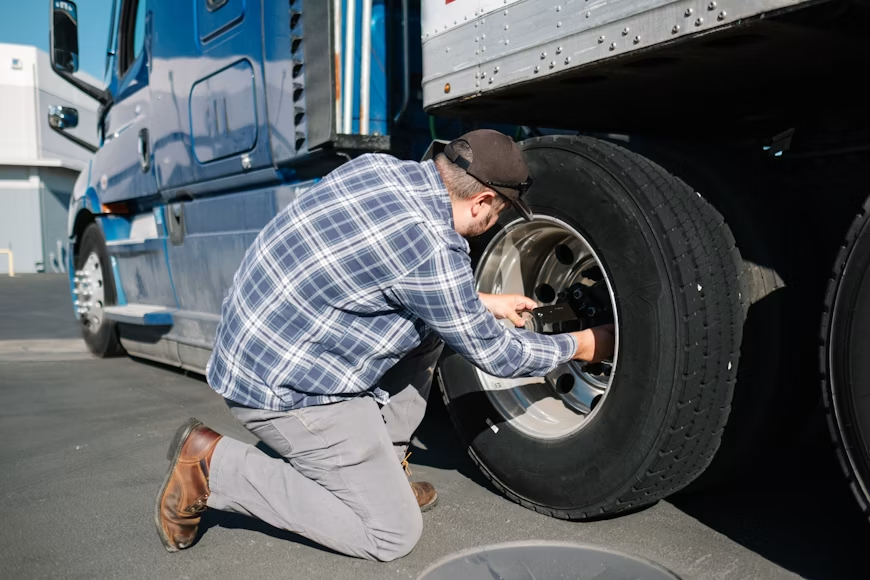
- Vehicle Maintenance: With the phase-out of out-dated warning devices (like liquid-burning flares) and new scrutiny on brakes, lights, and tires, ensure your maintenance schedule is preventative rather than reactive.
Proactive Compliance Summary Table
| Category | 2026 Focus Area | Action Item |
| Qualifications | Digital Verification | Switch from paper MECs to MVR/NRII checks. |
| Drug/Alcohol | Reporting Speed | Ensure TPA/company reports occur within 24 hours. |
| Logging | Data Integrity | Audit ELD against “Revoked” status lists. |
| Operations | Language Proficiency | Verify the driver’s ability to communicate during inspections. |
Disclaimer: The information provided in this blog post is for general informational purposes only. While we strive to keep the content accurate and up to date, we do not guarantee its completeness, reliability, or accuracy. Any actions you take based on this information are strictly at your own risk. We are not responsible for any losses, damages, or inconveniences that may arise from the use of this blog. For professional advice, please consult a qualified expert.