
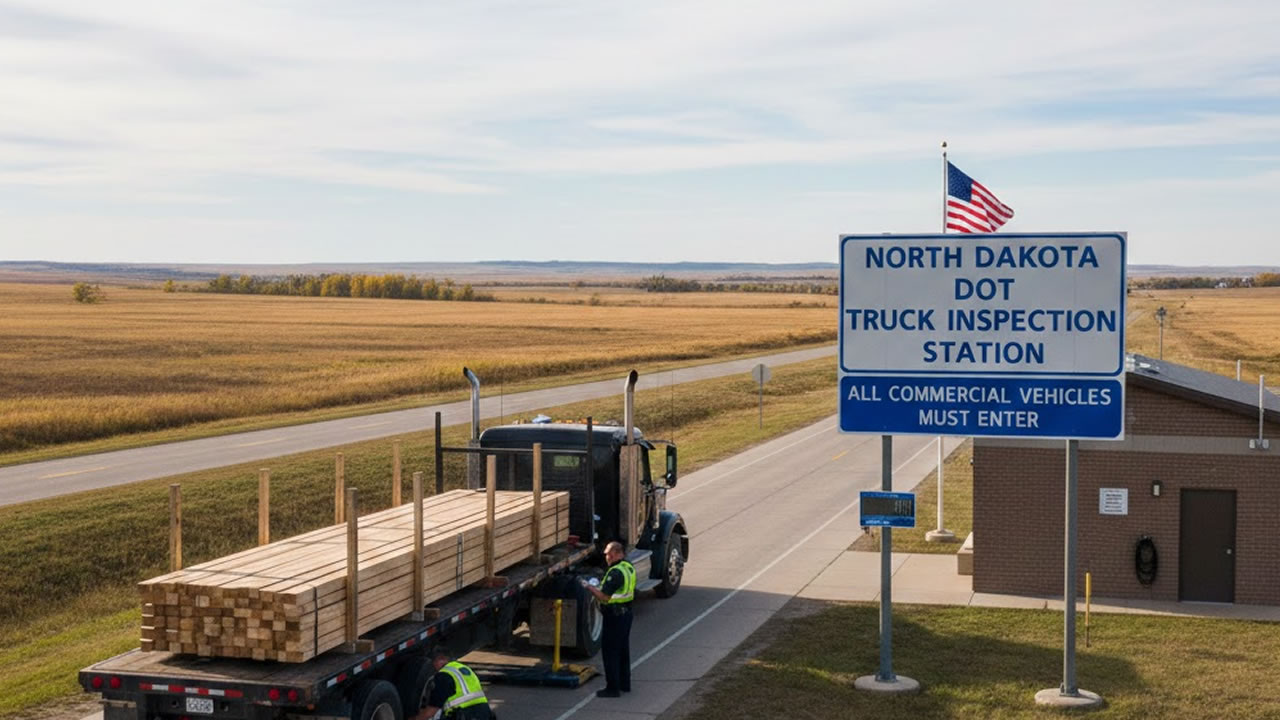
Commercial drivers and fleet operators must maintain their compliance with both state and federal safety regulations. The North Dakota Department of Transportation enforces local DOT Truck Inspection in North Dakota to verify that commercial motor vehicles achieve the safety standards established by the Federal Motor Carrier Safety Administration. The implementation of routine safety inspections for semi-trucks, tractor-trailers, box trucks, and fleet vehicles helps their operators to avert expensive violations and unplanned breakdowns and out-of-service orders. All North Dakota highway operations for interstate and intrastate trucking need full compliance with driver qualification files and vehicle maintenance records because these records serve as mandatory legal obligations for all trucking operations.
Dakota Vehicle Inspection
2510 E Divide Ave, Bismarck, ND 58501
+17015950525
Dakota Truck and Farm
1604 20th Ave SE, Minot, ND 58701
+17018525481
Advanced Fleet Services of ND Inc.
1202 Burlington Dr, Bismarck, ND 58504
+17012505114
Deckplate Diesel LLC
240 39th St N, Fargo, ND 58102
+17019290199
Types of DOT Inspections for Commercial Trucks
The North American Standard Inspection Program allows multiple roadside inspection levels for commercial vehicles operating throughout North Dakota. The program consists of three inspection levels, which include Level I full inspections, Level II walk-around driver/vehicle inspections, and Level III driver-only compliance checks. The inspection procedure includes the assessment of brake systems and tires and suspension and lights and cargo securement and electronic logging devices ELD and hours of service HOS records and medical examiner certificates. Major freight corridors and weigh stations serve as sites for random roadside inspections which require drivers to conduct both preventive maintenance and pre-trip inspections to avoid CSA score penalties and civil fines.
Common Violations and Compliance Requirements
Trucking companies encounter violations because their drivers fail to maintain appropriate documentation while driving with defective brake parts and their vehicles have insufficient tire tread and broken lights and their driver logs remain incomplete. The North Dakota Department of Transportation (DOT) inspection process results in severe penalties which include hefty fines and vehicle impounding and increased insurance costs for truck operators who fail to pass their inspections. The organization needs to keep its annual inspection reports and driver vehicle inspection reports DVIR and unified carrier registration UCR and USDOT numbers current to achieve compliance requirements. The implementation of proactive fleet management together with routine safety audits and regular preventive maintenance programs helps organizations to decrease their chances of facing non-compliance issues and experiencing operational downtime.
How to Prepare for a DOT Truck Inspection in North Dakota
Preparation begins with certified drivers performing their daily pre-trip and post-trip inspections. The federal safety standards require brake adjustments and fluid levels and steering components and reflective markings and emergency equipment to meet their requirements. The organization needs to establish proper handling procedures for driver qualification files to maintain medical certificates and CDL endorsements as valid documents. Compliance consultants and inspection service providers who possess industry expertise will help organizations to handle their audit needs while achieving better safety outcomes. Trucking businesses in North Dakota who focus on compliance will protect their corporate image while decreasing their business hazards and enabling constant freight movement across state borders.
Disclaimer: The information provided in this blog post is for general informational purposes only. While we strive to keep the content accurate and up to date, we do not guarantee its completeness, reliability, or accuracy. Any actions you take based on this information are strictly at your own risk. We are not responsible for any losses, damages, or inconveniences that may arise from the use of this blog. For professional advice, please consult a qualified expert.