
Understanding DOT Truck Inspection Requirements in Pennsylvania
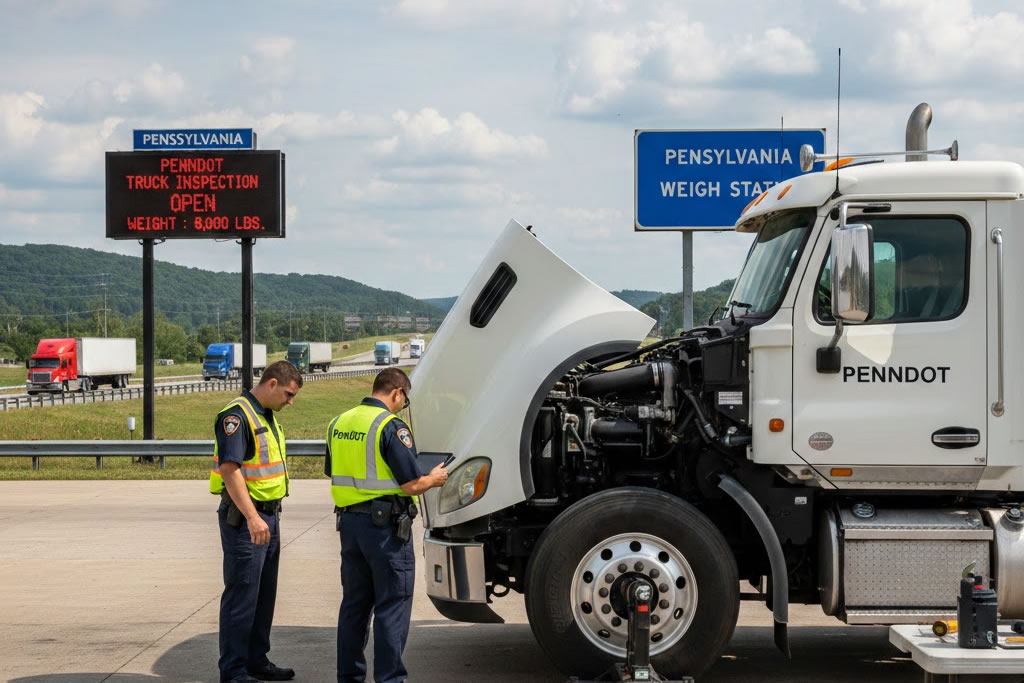
The requirement to comply with both state and federal regulations applies to all commercial vehicle operators in Pennsylvania who operate in the state. Your vehicle must pass a DOT truck inspection in Pennsylvania to demonstrate compliance with safety requirements established by the Federal Motor Carrier Safety Administration and state transportation authorities. The safety inspection for commercial trucks examines all essential components including brake systems, steering components, lights, tires, and suspension to determine their operational status. Regular DOT inspections support both fleet operators and owner-operators by preventing violations while decreasing liability risks and allowing businesses to operate without interruptions from expensive downtime.
PA Truck Center
3030 Grant Ave, Philadelphia, PA 19114
+12157011145
Express Auto & Truck Services
331 Crooked Ln, King of Prussia, PA 19406
+14843702835
PA Auto Inspection
9999 Global Rd, Philadelphia, PA 19115
+12677342045
Delaware Valley Truck Service, Inc.
5201 Unruh Ave, Philadelphia, PA 19135
+12153382500
Dave’s Auto and Truck Service
522 Bustleton Pike, Churchville, PA 18966
+12155154736
What Is Checked During a Pennsylvania DOT Inspection?
The Pennsylvania DOT truck inspection requires certified inspectors to perform an exhaustive examination of both the vehicle’s mechanical state and its official documents. Inspectors need to verify the proper functioning of the braking system, coupling devices, fuel systems, exhaust components, frame integrity, and emergency equipment. Inspectors need to validate driver credentials together with vehicle registration and insurance proof and hours-of-service documentation. The process of commercial vehicle inspections aims to discover safety defects which could result in accidents or roadside breakdowns or lead to vehicles being placed out-of-service. Your inspection scheduling leads to risk mitigation for penalties and CSA score damage and unscheduled downtime.
Why Regular DOT Inspections Matter for Trucking Businesses
The consequences of failing a DOT safety inspection include financial penalties and shipment delays and loss of client trust. Pennsylvania trucking companies need to comply with regulations because their operational efficiency and business profits depend on it. Your fleet needs both scheduled maintenance and annual DOT inspections to maintain its value while ensuring your vehicles meet FMCSA safety requirements. A clean inspection report strengthens your safety record while enhancing fleet reliability and lessening both roadside inspection and compliance audit pressures. The inspection readiness of both logistics companies and independent truck drivers provides them with a competitive advantage over their rivals.
Common Challenges Drivers Face During Inspections
The Pennsylvania DOT truck inspection process creates difficulties for drivers because they need to handle worn brake pads and faulty lighting systems and tire tread depth violations and missing required documents. The failure to address small mechanical defects results in major compliance issues. Failed inspections occur due to maintenance schedule problems and pre-trip inspection failures and repair record omissions. The use of a vehicle inspection checklist together with proper recordkeeping will assist you in passing inspection without delays or enforcement problems.
Schedule Your DOT Truck Inspection in Pennsylvania Today
The business needs to comply with all impending deadlines to ensure its operations continue without interruptions. The DOT truck inspection provides in Pennsylvania which certified inspection providers conduct for your commercial vehicle to check its compliance with both state and federal safety requirements. You should take immediate action to safeguard your CDL and cargo and business reputation instead of waiting for a roadside inspection or compliance review. Through proper preparation and maintenance and inspection services you can maintain safety and compliance for your truck to operate on the road.