
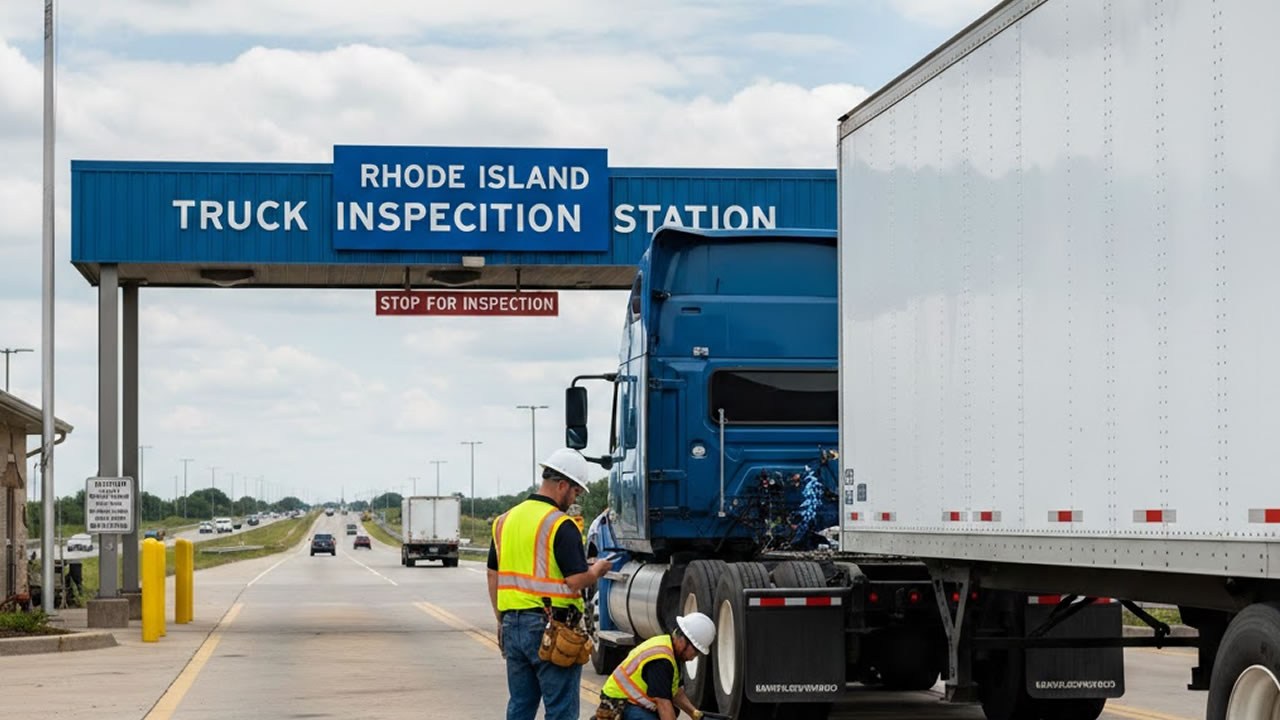
The DOT Truck Inspection in Rhode Island serves as an essential safety procedure for commercial vehicles, which must adhere to both federal and state safety regulations. All vehicle operators must maintain Federal Motor Carrier Safety Administration guidelines because it protects their business from violations and leads to decreased expenses and safer roads. The truck inspection process needs to evaluate multiple components, which include brake systems, tires, suspension, lighting, steering parts, driver documents, and total vehicle condition assessment. Rhode Island fleet managers and owner-operators need to make preventive maintenance their main focus because it helps them succeed in both roadside inspections and DOT audits, which occur every year.
TAK Auto & Truck Service
72 Parker St, Woonsocket, RI 02895
+14016581144
ETS TRUCK SERVICE
35 Quaker Ln, West Warwick, RI 02893
+14017576900
RI State Inspection Facility
325 Melrose St, Providence, RI 02907
+14014625890
J & H Automotive Services Center
100 Brownlee Blvd #2, Warwick, RI 02886
+14017397710
S&D Road Services
9 Whipple St, Cumberland, RI 02864
+14013120017
What Inspectors Check During a DOT Inspection
A DOT truck inspection requires inspectors to conduct thorough assessments that evaluate vehicle safety equipment and check compliance documentation. The inspection team checks multiple vehicle components, which include brake systems, tire tread depth, axle alignment systems, exhaust systems, coupling devices, and load securement procedures. Inspectors need to check electronic logging devices (ELDs), driver qualification files, hours-of-service records, and medical certificates to ensure everything follows the regulations. Operating delays, CSA score impacts, and complete out-of-service orders result from failing to meet any of these essential components. The process of maintaining your commercial truck through scheduled maintenance, using specific inspection procedures, and keeping precise documents helps decrease the chances of violations during roadside safety checks.
Why Compliance Matters for Commercial Carriers
All trucking companies that operate between different states must adhere to DOT regulations because it serves as a mandatory compliance requirement for their businesses. The failed inspection results in penalties that increase insurance rates and create delivery schedule setbacks due to required downtime. The implementation of fleet safety standards leads to better operational dependability, which shields your business image while also ensuring safer conditions for your drivers. The companies that dedicate resources to pre-trip inspections, truck maintenance programs, and safety audits experience reduced breakdowns and fewer enforcement challenges. The process of maintaining compliance enables businesses to display their professional standards while their transportation operations face federal and state audits, which build trust with shippers and logistics partners.
Common Challenges Truck Owners Face
The manager of a fleet and the owner operator must handle their responsibilities with limited time while they deal with machinery breakdowns and new federal transportation rules, which keep changing. The process of inspection fails when inspectors discover missing documentation and discover worn brake pads and tire blowouts and lighting defects and faulty suspension components. The process of keeping up with new compliance requirements creates an overwhelming responsibility for organizations. The use of experienced inspection providers or certified mechanics allows your truck to pass safety evaluations, which need to be completed before DOT inspections. The process of proactive planning enables organizations to stop last-minute fixes and major fines and excessive operating pressure.
Choosing the Right DOT Inspection Service in Rhode Island
A trustworthy DOT inspection service in Rhode Island will make sure your commercial vehicle stays roadworthy and compliant throughout the entire year. Choose inspectors who hold certification and understand both FMCSA regulations and commercial vehicle safety standards and fleet compliance management. The inspection company should deliver complete inspection results, which include guidance on preventive maintenance and their complete transparency of pricing. The trucking industry in the state maintains operational efficiency through their regular inspections and accurate record-keeping, which helps them decrease compliance challenges.
Disclaimer: The information provided in this blog post is for general informational purposes only. While we strive to keep the content accurate and up to date, we do not guarantee its completeness, reliability, or accuracy. Any actions you take based on this information are strictly at your own risk. We are not responsible for any losses, damages, or inconveniences that may arise from the use of this blog. For professional advice, please consult a qualified expert.