
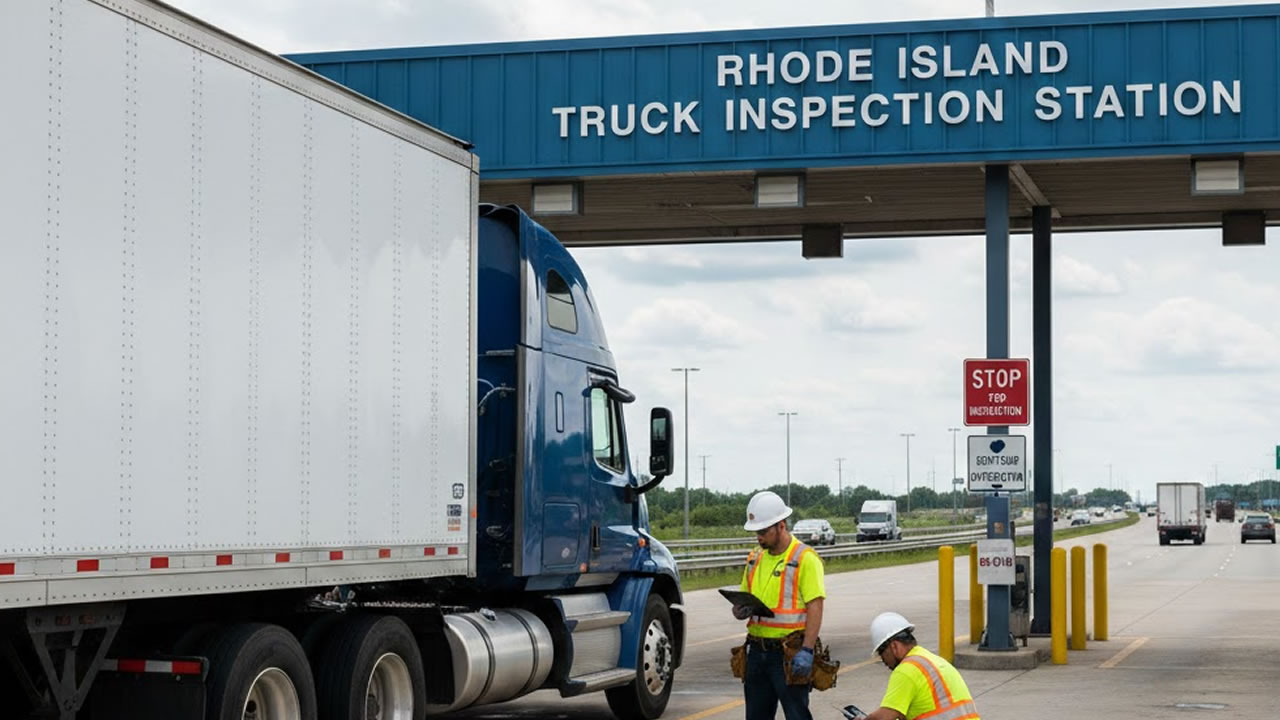
DOT Truck Inspection in Rhode Island: Rhode Island commercial drivers need to maintain complete federal and state safety standard compliance to operate their vehicles. The DOT truck inspection process in Rhode Island checks whether commercial motor vehicles comply with Federal Motor Carrier Safety Administration (FMCSA)-established regulations. Regular inspections of your single semi-truck or entire fleet operation help you avoid expensive violations and decrease downtime while ensuring safe road conditions. The DOT compliance check requires all elements from brake systems to driver documentation and hours of service logs to reach their required passing standards.
TAK Auto & Truck Service
72 Parker St, Woonsocket, RI 02895
+14016581144
ETS TRUCK SERVICE
35 Quaker Ln, West Warwick, RI 02893
+14017576900
RI State Inspection Facility
325 Melrose St, Providence, RI 02907
+14014625890
Understanding DOT Inspection Requirements
The DOT safety inspection program applies to commercial vehicles with gross vehicle weight ratings (GVWR) exceeding 10000 pounds, to vehicles that transport hazardous materials, and to trucks that operate in interstate commerce. The inspection process encompasses three types of evaluations, which include Level 1 roadside inspections and annual DOT inspections and pre-trip and post-trip evaluations. Inspectors assess driver qualification files and CDL validity and medical examiner certificates and vehicle maintenance records and electronic logging device (ELD) data. The trucking operation will avoid CSA score penalties and out-of-service orders when it follows FMCSA regulations and Rhode Island state transportation laws.
What Inspectors Check During a DOT Truck Inspection
The DOT truck inspection process in Rhode Island requires inspectors to conduct thorough examinations of essential safety elements. Inspectors check brake systems together with suspension components and steering systems and lighting equipment and reflective markers and coupling systems and fuel tanks and emergency response tools. The evaluation process includes assessing tire tread depth, testing air brake functionality, and checking frame structural strength. Driver-related factors, which include hours-of-service compliance and shipping documentation and load securement procedures, receive evaluation together with mechanical assessments. The success rate for first-time inspection passing improves through proper preventive maintenance and regular maintenance work on the fleet.
Common Reasons Trucks Fail DOT Inspections
Trucks experience inspection failures because they have multiple problems, which include worn brake pads, defective lights, tire blowout risks, fluid leaks, and incomplete documentation. The presence of missing inspection stickers and expired registrations and logbooks that contain incorrect information will lead to violation penalties. Rhode Island fleet operators can lower their operational hazards through two practices, which involve keeping their maintenance schedules organized and performing their internal compliance audits. The process of fixing minor mechanical issues before your roadside inspection will decrease your fines and operational disruptions and insurance-related difficulties.
Preparing for a Successful DOT Inspection
Proper preparation enables drivers to complete DOT truck inspections in Rhode Island without any disruption. The organization should implement driver vehicle inspection report (DVIR) procedures while training drivers on safety protocols and establishing annual DOT inspection schedules with certified inspectors. The organization should maintain all permits and registration documents and safety records in easily accessible locations. The inspection procedure becomes more efficient through your organization working with compliance service providers who ensure your trucking operation meets current federal motor carrier safety rules. The practice of proactive compliance protects your fleet while establishing your company as a reliable shipping partner.
Disclaimer: The information provided in this blog post is for general informational purposes only. While we strive to keep the content accurate and up to date, we do not guarantee its completeness, reliability, or accuracy. Any actions you take based on this information are strictly at your own risk. We are not responsible for any losses, damages, or inconveniences that may arise from the use of this blog. For professional advice, please consult a qualified expert.