
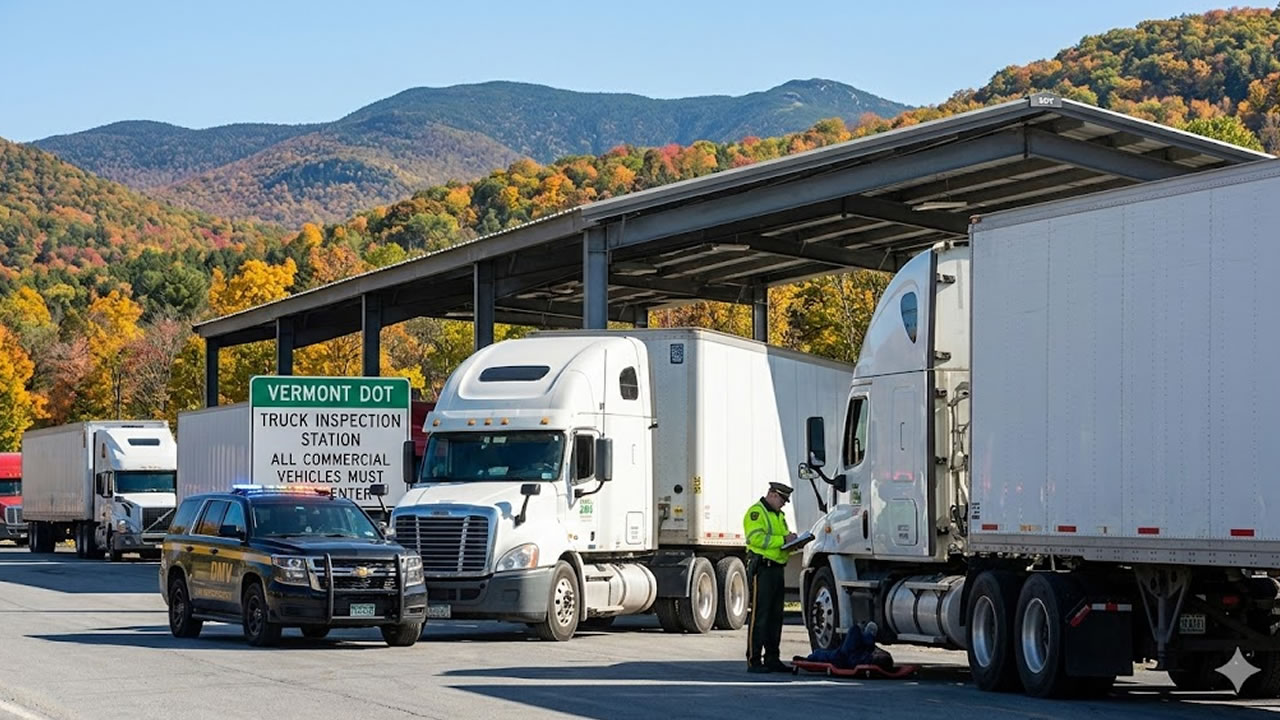
DOT Truck Inspection in Vermont: The ongoing maintenance of commercial vehicles is necessary to ensure their safety and their ability to comply with regulations while maintaining operational effectiveness. The DOT Truck Inspection program in Vermont ensures that all trucks operating throughout the state comply with both federal and state transportation laws. Fleet managers and owner-operators benefit from learning about inspection requirements and compliance standards and documentation processes because this knowledge prevents them from facing expensive fines and operational delays. Highway safety receives support from regular inspections while driver protection and safety rating maintenance safeguard your business.
Elite Auto & Truck Service & Sales LLC
73 Ethan Allen Dr, South Burlington, VT 05403
+18029992296
Vermont Custom Auto Service
91 Ethan Allen Dr, South Burlington, VT 05403
+18028641533
Girlington Garage
2 Harbor View Rd, South Burlington, VT 05403
+18022477917
TDI Repair & Towing
50 Babbie Blvd, Swanton, VT 05488
+18028685270
Understanding Federal and State Inspection Requirements
Commercial motor vehicles operating in Vermont need to follow the regulations set by the Federal Motor Carrier Safety Administration which establishes federal requirements for vehicle operation. The rules establish inspection criteria which include testing of brake systems and steering systems and suspension systems and lighting devices and tires and coupling equipment and exhaust systems. Vermont adheres to federal regulations which require the execution of annual DOT inspections and pre-trip inspections and regular maintenance inspections. Trucking companies need to keep inspection records together with driver vehicle inspection reports and maintenance logs to prove their compliance during audits and roadside inspections.
What Happens During a DOT Truck Inspection?
A certified inspector conducts a comprehensive review of the commercial vehicle to ensure it meets safety standards. The process typically involves checking all components which include brake systems and fuel systems and windshield wipers and mirrors and emergency equipment and load securement. Inspectors verify that all safety components work correctly while checking for any visible safety hazards which could endanger highway users. The implementation of DOT regulations helps organizations reduce their risk of out-of-service violations while sustaining their DOT Compliance Safety Accountability (CSA) score. The successful completion of evaluations depends on organizations who maintain their fleet through both regular maintenance and preventive inspections.
Importance of Regular Truck Maintenance and Compliance
DOT inspections and routine maintenance work together to create a protective shield which prevents fines and service downtime and insurance disputes. Truck operators in Vermont who proactively address mechanical issues, conduct pre-trip inspections, and document repairs strengthen their compliance profile. Your USDOT number and operating authority remain safe through your commitment to following FMCSA safety standards. Maintenance management systems help fleet managers because these systems keep track of all inspection dates and all repair work and all regulatory deadlines.
Choosing a Certified Inspection Provider in Vermont
The selection of a DOT inspection provider who possesses both qualifications and experience guarantees that evaluations will meet regulatory standards. The certified mechanics need to have knowledge of both FMCSA regulations and Vermont commercial vehicle requirements. The inspection service should offer its clients a complete package which includes both detailed inspection reports and clear pricing information and comprehensive support to resolve any discovered violations. The trucking businesses in Vermont achieve better road safety and higher operational efficiency and maintain their future profitability through their dedication to DOT truck inspections.
Disclaimer: The information provided in this blog post is for general informational purposes only. While we strive to keep the content accurate and up to date, we do not guarantee its completeness, reliability, or accuracy. Any actions you take based on this information are strictly at your own risk. We are not responsible for any losses, damages, or inconveniences that may arise from the use of this blog. For professional advice, please consult a qualified expert.