
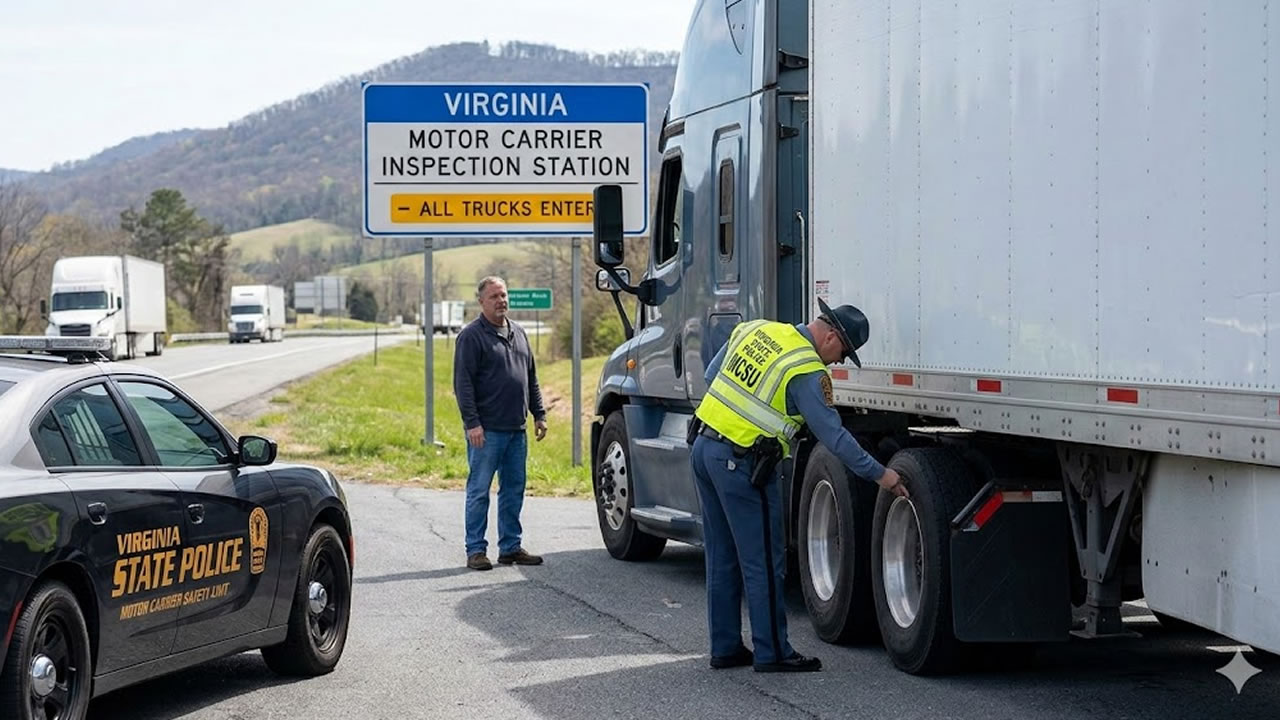
The process of DOT Truck Inspection in Virginia requires drivers to understand the specific DOT Truck Inspection requirements which show the required elements for this process. The state of Virginia requires all commercial vehicles to undergo DOT truck inspections which serve as safety assessments that confirm vehicles meet both federal and state transportation safety standards. The Federal Motor Carrier Safety Administration oversees these inspections which the Virginia Department of Motor Vehicles enforces to protect highway safety and decrease accidents while ensuring all vehicles meet safety rules. All commercial motor vehicles (CMVs) need to follow specific safety requirements that apply to their brake systems tire systems suspension systems steering equipment and lighting systems and cargo securing methods when they travel between states or within their home state.
Virginia Fleet Truck Services | Truck Repair Services
106 Roxbury Industrial Center # V, Charles City, VA 23030
+18009942117
Interstate Truck Service Inc
151 Ryco Ln, Winchester, VA 22602
+15407221001
Frank’s Truck and Automotive Repair
8340 Rozell Rd, Woodford, VA 22580
+18046336398
OnSite Fleet Services Of VA
3002 Lafayette Ave, Richmond, VA 23228
+18043089542
Types of DOT Inspections for Commercial Trucks
Virginia implements the North American Standard Inspection Program which consists of three inspection levels: Level I Level II and Level III. A Level I inspection is the most comprehensive, covering both driver credentials and vehicle mechanical fitness. Inspectors examine CDL licenses and medical examiner certificates together with hours of service records and electronic logging devices (ELDs) and driver vehicle inspection reports (DVIRs). Level II requires inspecting the vehicle from outside while Level III needs verification of driver document compliance. Roadside inspections can take place at three locations which include weigh stations inspection checkpoints and traffic stops.
Key Components Checked During a Virginia DOT Inspection
The certified inspectors at Virginia DOT truck inspection sites check essential safety elements by inspecting the brake system and air line system and coupling device and fuel system and exhaust system and frame system and windshield wiper system and mirror system and emergency gear system. The FMCSA assessment includes testing whether tire tread depth and wheel fasteners and reflective tape and lighting systems meet the required standards. The process of resolving out-of-service violations leads to either penalties or vehicle operation suspension until all repairs have been completed. The combination of preventive maintenance programs with ongoing fleet inspections decreases the possibility of non-compliance with safety regulations.
Common Violations and How to Avoid Penalties
The state of Virginia witnesses common DOT violations which include brake violations and tire defects and inoperative lights and logbook discrepancies and overweight loads and improper cargo securement. The implementation of regular vehicle maintenance together with pre-trip inspections and post-trip inspections enables motor carriers and owner-operators to prevent expensive citations. The process of maintaining accurate driver qualification files together with safety record updates and proper registration using a valid USDOT number serves as the foundation for regulatory compliance. The combination of fleet safety audits with compliance reviews enables trucking companies to maintain their readiness for inspections.
Preparing for a Successful DOT Truck Inspection
The successful outcome of a Virginia DOT truck inspection depends entirely on drivers completing their vehicle preparation tasks. The drivers must perform complete pre-trip vehicle checks while confirming all necessary documents are up-to-date and all vehicle requirements match Virginia state police enforcement regulations. The company gains operational efficiency and safety improvements through its investments in preventive maintenance and driver training programs and compliance management systems. The company achieves protection for its commercial trucking operations through FMCSA regulations which simultaneously enhance road safety on Virginia highways.
Disclaimer: The information provided in this blog post is for general informational purposes only. While we strive to keep the content accurate and up to date, we do not guarantee its completeness, reliability, or accuracy. Any actions you take based on this information are strictly at your own risk. We are not responsible for any losses, damages, or inconveniences that may arise from the use of this blog. For professional advice, please consult a qualified expert.