
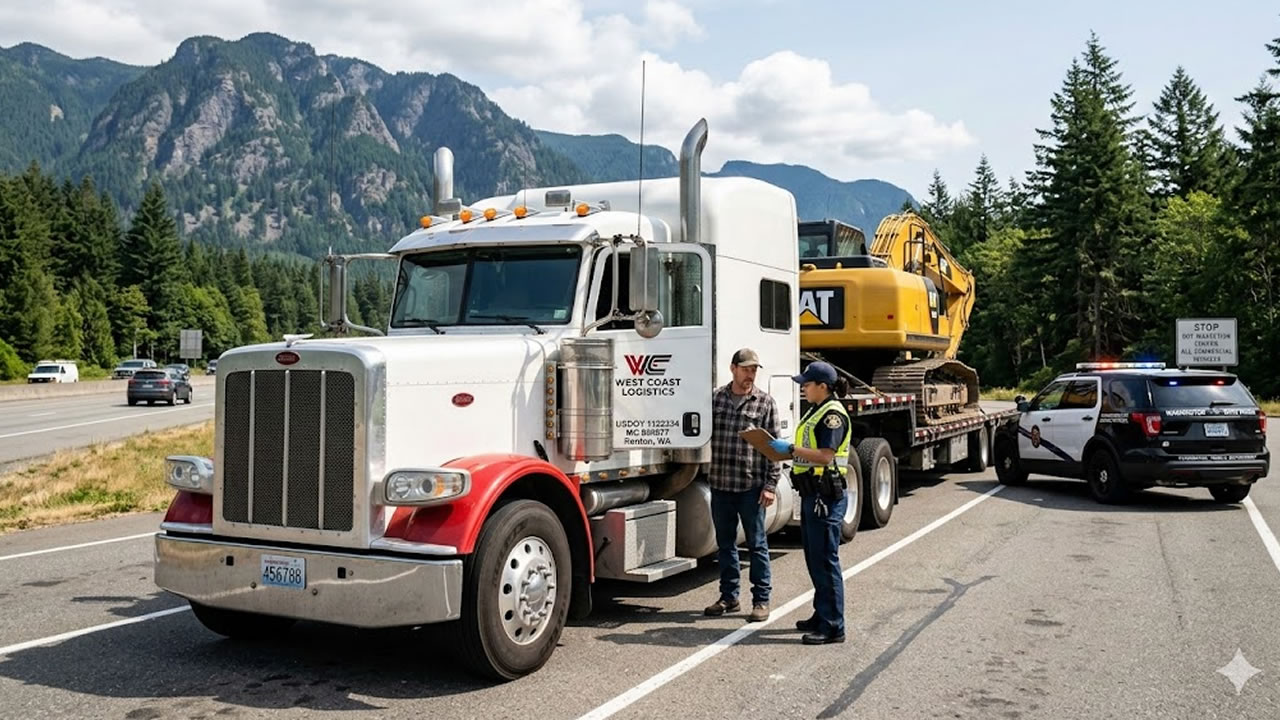
DOT Truck Inspection in Washington: The state of Washington mandates that all commercial motor vehicles must pass a DOT truck inspection before they can operate on state highways. The Washington State Department of Transportation (WSDOT), together with the Federal Motor Carrier Safety Administration (FMCSA), requires these inspections to verify that motor carriers meet federal safety standards. The Washington DOT regulations provide essential compliance guidelines that both owner-operators and commercial truck fleet managers must follow to prevent incurring fines and service interruptions and financial penalties. Safety inspections conducted on a regular basis safeguard your CSA score and your operational authority and your entire business standing within the trucking sector.
Freestate Auto & Truck Service
200 A Ritchie Rd, Capitol Heights, MD 20743
+13013504040
West Coast Truck Repair
101 Frontage Rd S, Pacific, WA 98047
+12533292148
DC DMV Vehicle Self-Inspection Kiosk
Washington, DC 20011
+12027374404
Service Tire Truck Center- Capitol Heights, MD
1402 Ritchie Marlboro Rd, Capitol Heights, MD 20743
+13014998473
Types of DOT Inspections in Washington
Roadside inspections in Washington assess commercial vehicles through three inspection levels, which include Level I North American Standard Inspection and Level II walk-around inspection and Level III driver-only inspection. Officers at a roadside safety inspection evaluate driver credentials and medical examiner certificates and hours-of-service logs and ELD compliance and vehicle components, which include brakes and tires and lights and cargo securement. Washington state uses its weigh stations and port of entry checkpoints to perform safety inspections for commercial trucks that need to meet safety standards. The process of inspection preparation helps organizations to achieve better safety results because it decreases their chances of violating regulations.
Key Compliance Requirements for Commercial Trucks
Carriers need to maintain vehicle maintenance records and annual inspection reports and current registration documentation to pass a DOT truck inspection in Washington. Trucks must meet all requirements related to brake systems and suspension systems and steering systems and emission control systems. Drivers must possess a valid CDL and proof of insurance and shipping documents and full driver vehicle inspection report (DVIR) records. Trucking companies must complete two essential requirements to stay compliant with state and federal laws because they need to implement maintenance schedules and conduct pre-trip and post-trip inspections.
Common Violations and How to Avoid Them
Trucking companies receive violations because their brakes malfunction and their tires become worn and their lights stop working and their drivers make logbook mistakes and they fail to secure cargo properly. Washington DOT inspections commonly encounter hours-of-service violations together with missing documentation. Organizations can decrease their compliance dangers by executing preventive maintenance programs and conducting internal audits and implementing electronic logging device systems. Fleet managers must provide driver training on safety protocols and inspection readiness because these two skills help drivers avoid receiving fines and facing reduced safety ratings. Your organization can prevent penalties and advance in DOT audits and safety reviews through active compliance practices.
Preparing for a Successful DOT Inspection in Washington
The process of DOT truck inspection requires thorough preparation to achieve successful results. The organization needs to schedule maintenance checks at regular intervals while ensuring all driver qualification files are complete and all safety equipment meets federal standards. Organizations need to execute DOT inspections to find potential problems that need to be addressed before actual roadside inspections happen. Your fleet needs to follow both Washington trucking regulations and FMCSA safety updates to maintain its legal and operational efficiency. Trucking companies that prioritize compliance together with accurate documentation and vehicle safety standards can drive throughout Washington highways while maintaining their safety record.
Disclaimer: The information provided in this blog post is for general informational purposes only. While we strive to keep the content accurate and up to date, we do not guarantee its completeness, reliability, or accuracy. Any actions you take based on this information are strictly at your own risk. We are not responsible for any losses, damages, or inconveniences that may arise from the use of this blog. For professional advice, please consult a qualified expert.