
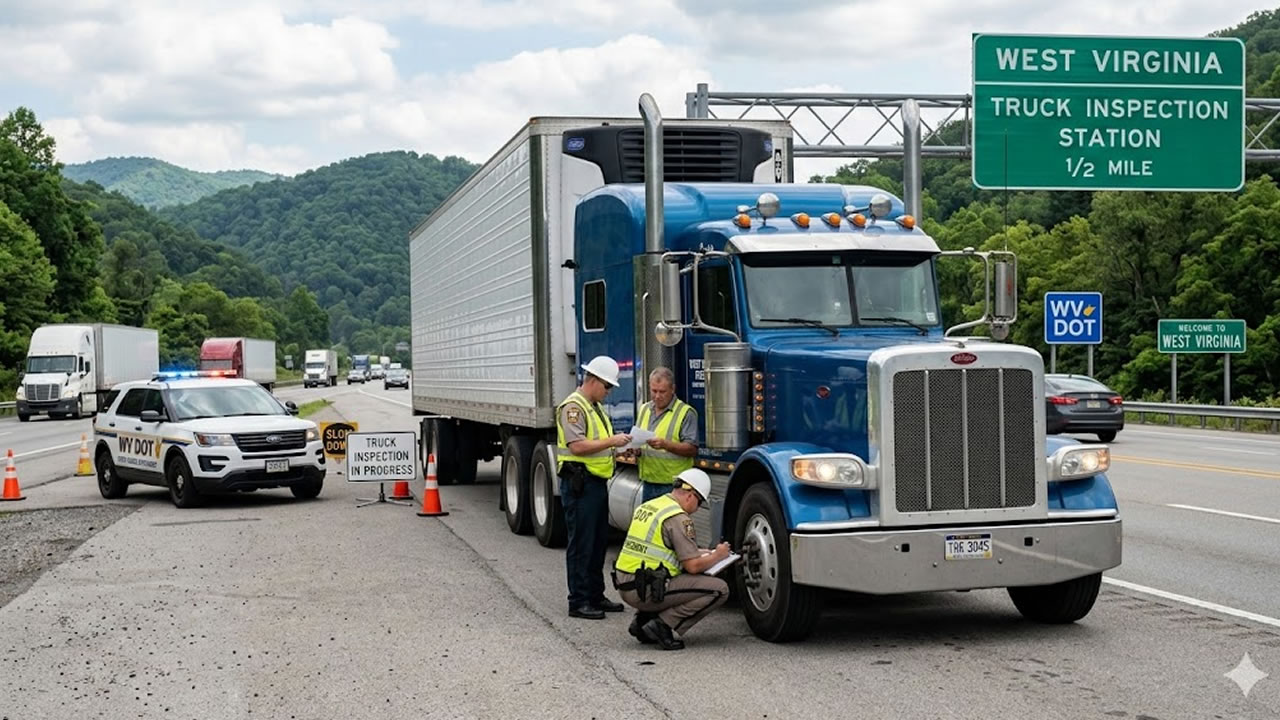
DOT Truck Inspection in West Virginia: In West Virginia, a DOT truck inspection functions as an obligatory safety assessment that checks whether commercial motor vehicles fulfill federal and state safety standards. The inspection process follows guidelines set by the Federal Motor Carrier Safety Administration and applies to both interstate and intrastate carriers that operate throughout West Virginia. Before driving on public roads, commercial truck drivers and owner-operators, together with fleet managers, must ensure that their vehicles meet all DOT compliance requirements. Regular inspections help maintain highway safety, and they reduce accident risks while also preventing costly violations and penalties.
Belt Truck Center Co, Inc.
5330 Point Pleasant Rd, Ravenswood, WV 26164
+13042735552
Fix N Go LLC
1853 Charles Town Rd, Martinsburg, WV 25405
+12403292500
Valley Servicenter LLC
10673 Winchester Ave, Bunker Hill, WV 25413
+13042298512
Route 21 Truck & Auto
5439 Sissonville Dr, Charleston, WV 25312
+13049840500
Vehicle and Driver Requirements for DOT Compliance
Certified inspectors at a DOT inspection assess all crucial vehicle systems to determine whether the vehicle meets roadworthy standards. The assessment includes brake systems, steering systems, suspension parts, tire systems, wheel systems, lighting systems, coupling systems, exhaust systems, and fuel systems. Inspectors will check whether loads are properly secured while examining the truck for dangerous materials and inspecting its complete structural condition. Driver documentation includes a valid commercial driver’s license and medical examiner’s certificate together with hours of service records and vehicle registration, all required for FMCSA regulatory compliance verification.
How DOT Inspection Levels Impact Trucking Operations
West Virginia enforcement officers conduct various levels of DOT inspections, which include the Level I North American Standard Inspection, Level II walk-around inspection, and Level III driver-only inspection. A level I inspection is the most comprehensive, which requires a complete assessment of both the vehicle and driver. A Level II inspection checks vehicle equipment through visual inspection without the need to inspect the truck’s underside. The Level III inspection process assesses driver credentials together with recordkeeping needs and hours-of-service documentation. Trucking companies that understand these inspection levels will develop effective strategies that help them prevent out-of-service orders.
Safety Violations That Lead to Out-of-Service Orders
Brake defects, tire tread depth issues, and inoperative lighting, together with improper load securement and logbook errors, represent the most common DOT violations found in West Virginia. Organizations need preventive maintenance programs together with pre-trip and post-trip inspections, while they must maintain accurate recordkeeping to achieve compliance. Safety audits of fleet operations together with electronic logging systems and systematic equipment maintenance will decrease the chances of receiving citations. The proactive approach enables organizations to maintain DOT compliance, and their CSA scores and operational efficiency will also improve.
Maintaining Compliance for Long-Term Trucking Success
The main method to succeed in a DOT truck inspection in West Virginia requires drivers to follow correct preparation steps. Drivers should conduct thorough pre-trip inspections, verify that all required documentation is up-to-date, and ensure safety equipment such as fire extinguishers and warning triangles are accessible. Fleet managers must establish maintenance schedules for their vehicles, and they need to keep all inspection records in their system. Trucking businesses that prioritize vehicle safety standards together with regulatory compliance will achieve uninterrupted operations while preserving their safety rating and building a positive industry reputation.
Disclaimer: The information provided in this blog post is for general informational purposes only. While we strive to keep the content accurate and up to date, we do not guarantee its completeness, reliability, or accuracy. Any actions you take based on this information are strictly at your own risk. We are not responsible for any losses, damages, or inconveniences that may arise from the use of this blog. For professional advice, please consult a qualified expert.