
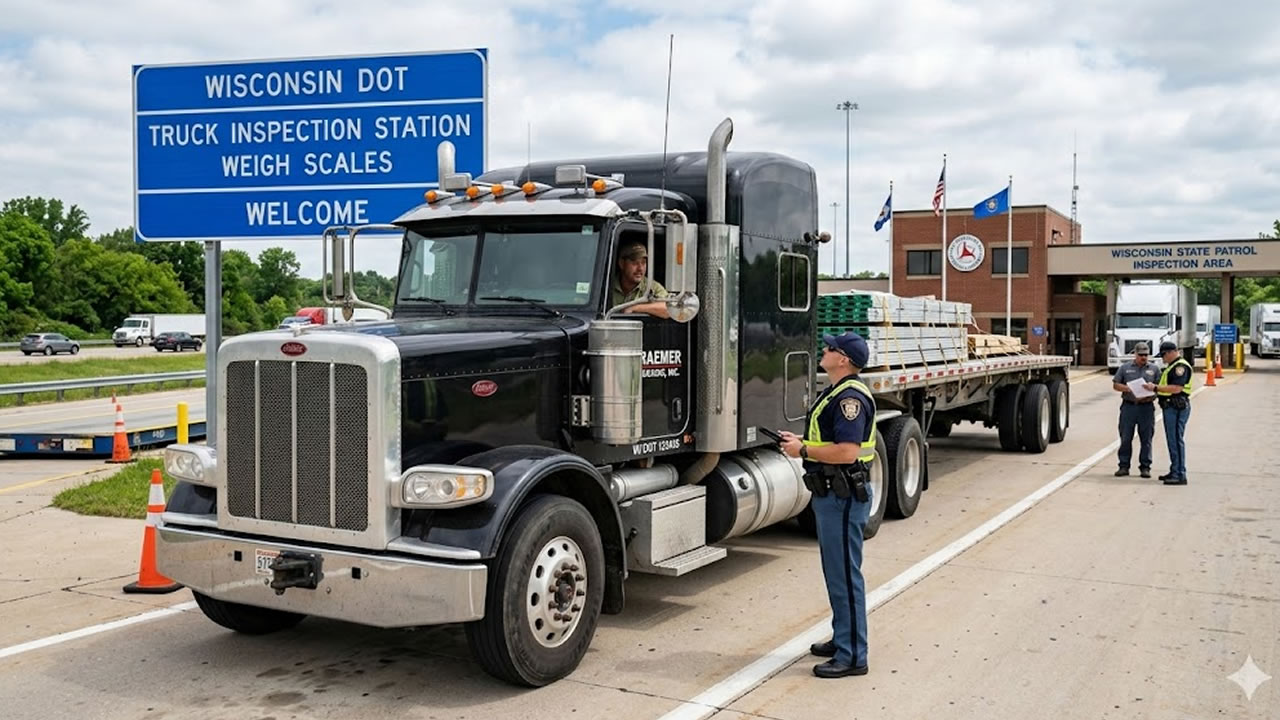
DOT Truck Inspection in Wisconsin: The commercial drivers and fleet owners and motor carriers who operate across state lines must comply with DOT truck inspection requirements in Wisconsin. The Wisconsin DOT inspection process verifies that commercial motor vehicles create safe conditions that comply with the federal safety standards established by the Federal Motor Carrier Safety Administration (FMCSA). The knowledge of inspection procedures and safety regulations and documentation requirements enables you to protect your business from expensive fines and out-of-service orders and CSA score penalties.
D.O.T Truck and Trailer Repair
S88W23105 Wynn Dr, Big Bend, WI 53103
+12626621444
Wisconsin Truck And Boom Repair
2476 Vista Dr, Lake Geneva, WI 53147
+12622488200
Rocky Mountain Truck Centers – Poynette
9294 County Rd CS, Poynette, WI 53955
+16085155199
Elite Fleet Services LLC
6345 Wilm Ct, Caledonia, WI 53108
+12624974353
Understanding Wisconsin DOT Inspection Requirements
The DOT truck inspection process in Wisconsin evaluates vehicle safety and driver compliance and the correctness of documentation. All commercial vehicles that have a gross vehicle weight rating (GVWR) that exceeds 10,001 pounds must undergo inspection procedures. Officers performing roadside inspections will evaluate driver qualification files and hours of service logs and CDL credentials and medical examiner certificates and electronic logging device (ELD) records. The inspection process includes testing vehicles to verify their compliance with brake systems and tire requirements and light specifications and suspension standards and steering component regulations and coupling device rules and load securement laws. The compliance with FMCSA safety regulations in your truck leads to a decline in safety violations, which results in better safety outcomes for your entire fleet.
Types of DOT Inspections Conducted in Wisconsin
The state of Wisconsin implements the North American Standard Inspection program, which contains various inspection levels for its operations. The Level I inspection represents the most thorough inspection method because it assesses both driver and vehicle condition. The Level II inspection examines vehicle parts without needing to conduct an inspection underneath the vehicle. The Level III inspection process requires the examination of driver credentials together with their mandatory documentation. The specialized inspections will examine hazardous materials compliance and cargo securement together with particular safety issues. The preparation process for each inspection level enables carriers to meet their regulatory obligations while minimizing operational interruptions.
Common Violations and How to Avoid Them
The state of Wisconsin experiences common DOT violations, which encompass brake violations and tire defects and lighting issues and hours of service violations and improper load securement. Penalties will occur if maintenance records remain incomplete or if documentation becomes outdated. The process of conducting preventive maintenance together with pre-trip and post-trip inspections helps to decrease the occurrence of violations. Fleet managers should establish a complete vehicle maintenance system that includes continuous CSA score tracking and driver training on safety regulations. The implementation of proactive compliance strategies will decrease inspection failures, which results in a better safety rating for your business.
Preparing for a Successful DOT Inspection in Wisconsin
The process of preparing yourself for the Wisconsin DOT truck inspection will enable you to complete the inspection with self-assurance. The drivers need to keep their necessary documents in an organized manner that allows them to access their registration and insurance and CDL and medical card and inspection reports. The practice of conducting daily vehicle inspections together with immediate handling of small mechanical problems will assist in maintaining compliance throughout the entire process. The combination of fleet management software and digital maintenance tracking tools will enhance operational efficiency while simplifying compliance procedures. The trucking businesses that maintain inspection readiness throughout their business operations will experience uninterrupted operations, which result in maintaining safety records and building dependable transportation services within Wisconsin.
Disclaimer: The information provided in this blog post is for general informational purposes only. While we strive to keep the content accurate and up to date, we do not guarantee its completeness, reliability, or accuracy. Any actions you take based on this information are strictly at your own risk. We are not responsible for any losses, damages, or inconveniences that may arise from the use of this blog. For professional advice, please consult a qualified expert.