Accidents involving commercial motor vehicles are seriously penalized under FMCSA laws. The initiation and completion of drug and alcohol testing under the DOT regime after accidents are essential for safety and compliance. Employers, CDL drivers, and owner-operators should know their responsibilities to maintain compliance with DOT regulations and avoid penalties.
- Understanding the DOT Post-Accident Drug Testing Rule
Post-accident drug and alcohol testing is mandated by FMCSA for CDL drivers involved in certain types of crashes. Drug testing for truck drivers should be done 32 hours after the accident occurrence at the latest, while alcohol testing must be done within 8 hours. Tests conducted after these time limits may be invalid, as the integrity of results could be compromised. In case delays are attributable to the drivers or employers, all documentation of attempts made to conduct the tests must be recorded. Some of the triggering key factors for mandatory testing include fatalities, moving violation citations, and vehicle towing due to damages.
- Steps to Complete the Post-Accident Drug Test Swiftly
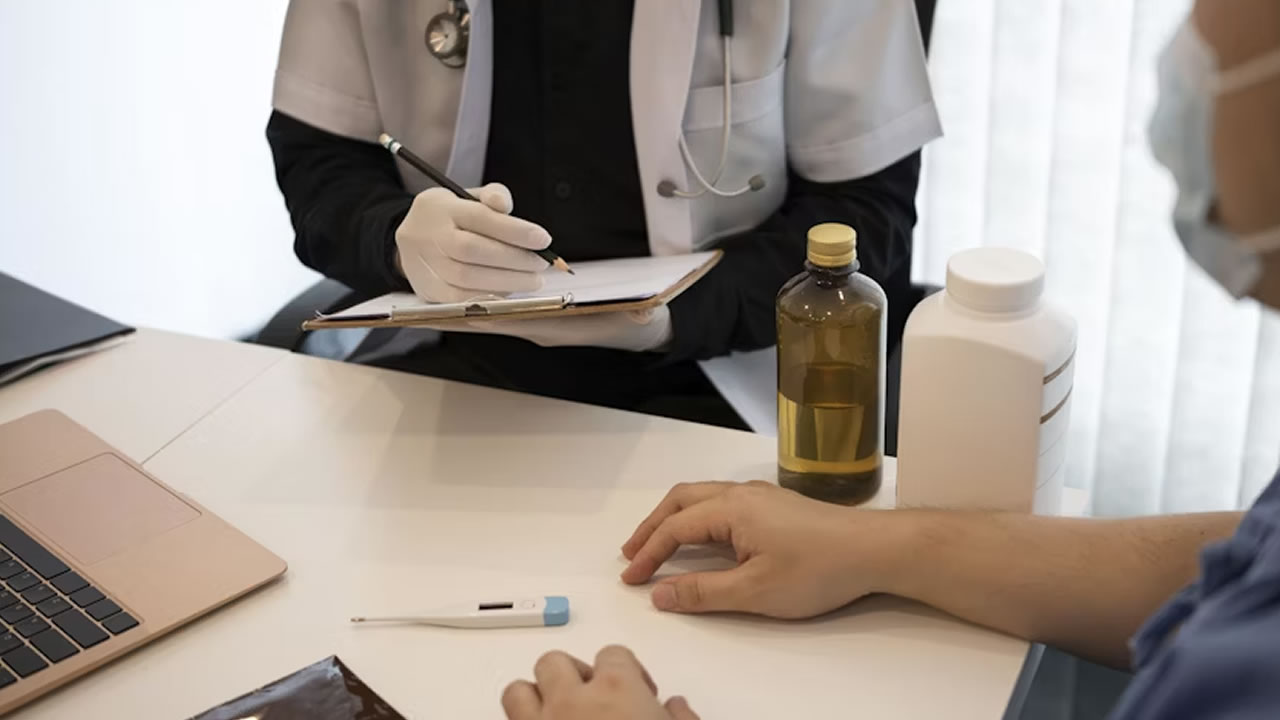
Immediately after an accident, safety is the paramount first concern. After the location has been made safe and after ambulance personnel have been provided access to the victim, make contact with your donor testing provider or consortium to locate a nearby DOT collection site. Some employers further use mobile drug testing services that go to the site, saving time, and are compliant with the timeline outlined by FMCSA. Always ensure all necessary forms are completed, including the CCF (Custody and Control Form), which must be done accurately to maintain an unbroken chain of custody.
- What if You Miss the Testing Period?
When conditions exist that prevent the post-accident test from being performed on time, FMCSA requires the employer to thoroughly document reasons for the failed test. The documentation must include an explanation as to why the test was not conducted within the mandated timeframe of either 8 or 32 hours. More often than not, any employer who disobeys this regulation runs the risk of enforcement action from the DOT, penalties, and the loss of their ability to remain operational. Employers should then review their drug and alcohol policy to ascertain that it has clear guidelines for procedures concerning post-accident tests.
- Be Always Compliant with Proactive Training and Testing Programs
Regularly providing training is the best way to always comply with post-accident testing regulations. Employers need to train drivers and supervisors regularly regarding when and how to activate post-accident tests and how to quickly contact the testing providers. Having a consortium or TPA (Third Party Administrator) that is DOT-compliant also eases the work; after an accident, they will give 24/7 assistance. These measures help maintain a drug-free workplace and promote safer driving practices.
Disclaimer: The information provided in this blog post is for general informational purposes only. While we strive to keep the content accurate and up to date, we do not guarantee its completeness, reliability, or accuracy. Any actions you take based on this information are strictly at your own risk. We are not responsible for any losses, damages, or inconveniences that may arise from the use of this blog. For professional advice, please consult a qualified expert.