-
What Records Should Owner-Operators Keep?
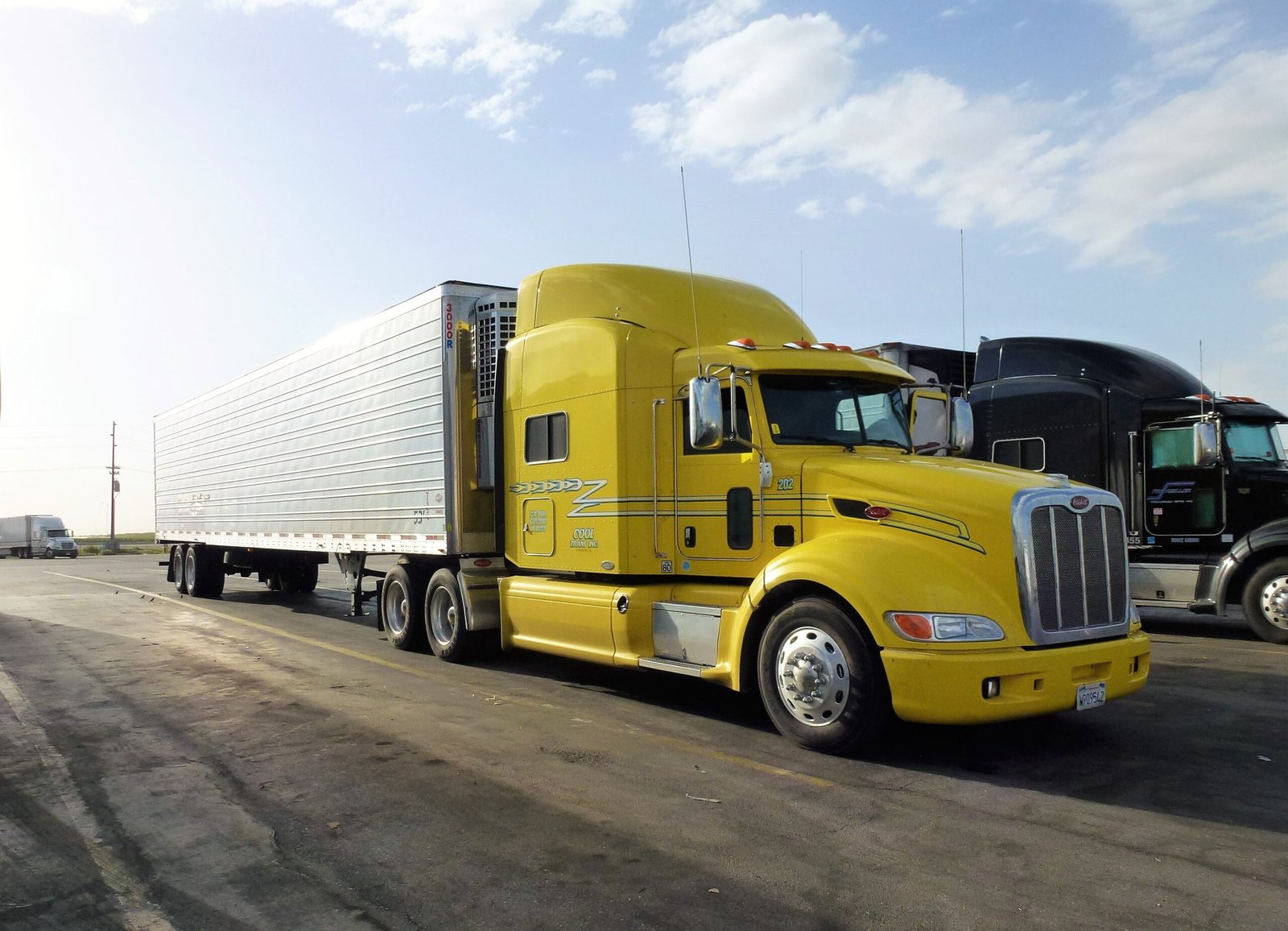
Owner-operators need to have proper record keeping in order to effectively manage a compliant and profitable business venture. The records that one should maintain are important in showing compliance to the FMCSA rules, tax liabilities, cost of operation, vehicle maintenance, driver performance, and income earned from the business. Good documentation will also ensure that the…
-
Cargo Securement Rules Every Driver Should Know
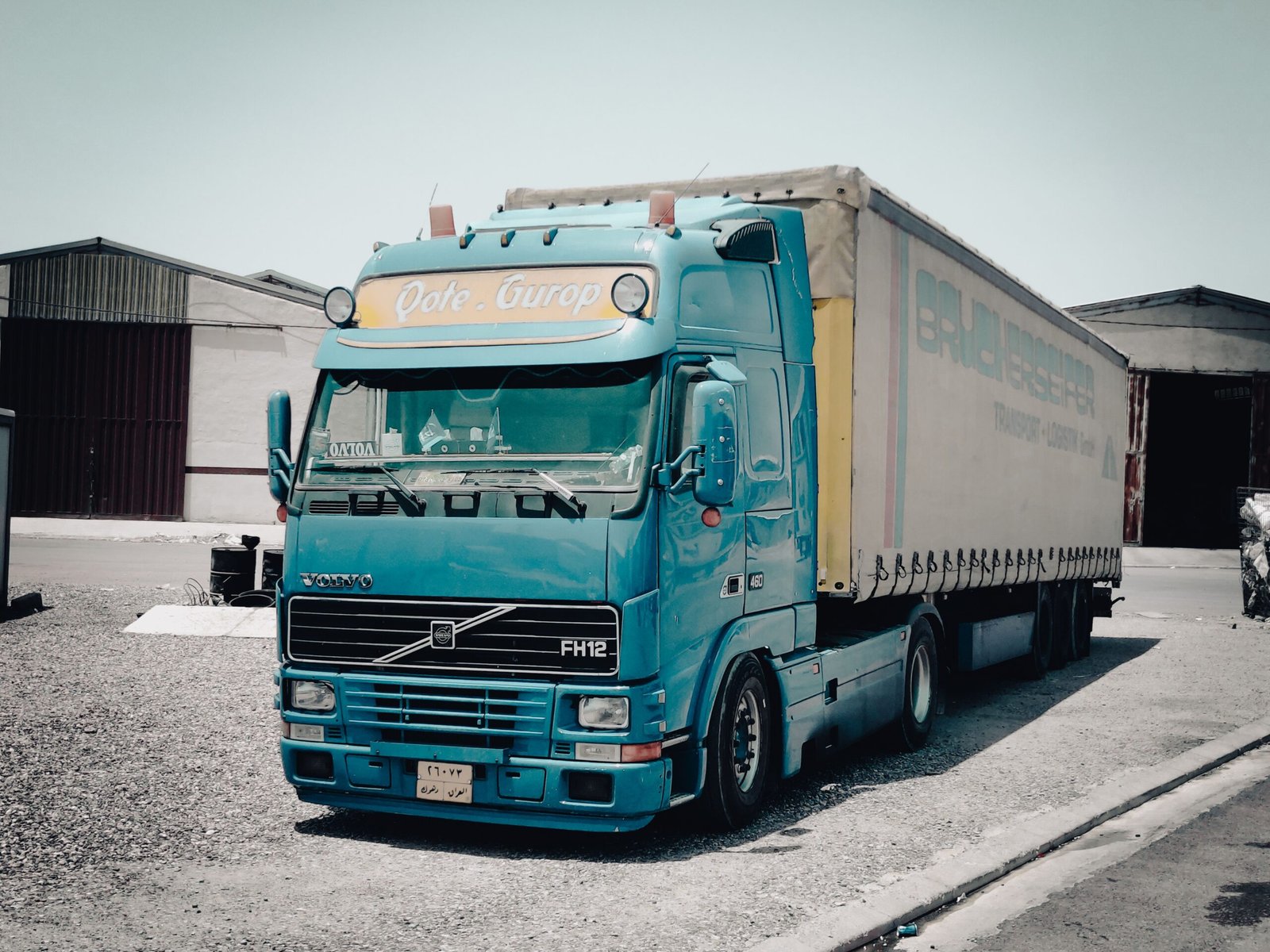
The proper securing of the cargo in a freight trailer is one of the most vital roles in commercial trucking. It means that besides loading the trailer correctly, the freight must be properly restrained, immobilized, and secured to prevent movement, spillage, blowing off, or falling from the trailer while being transported. In the case of…
-
Lighting and Reflector Compliance Guide
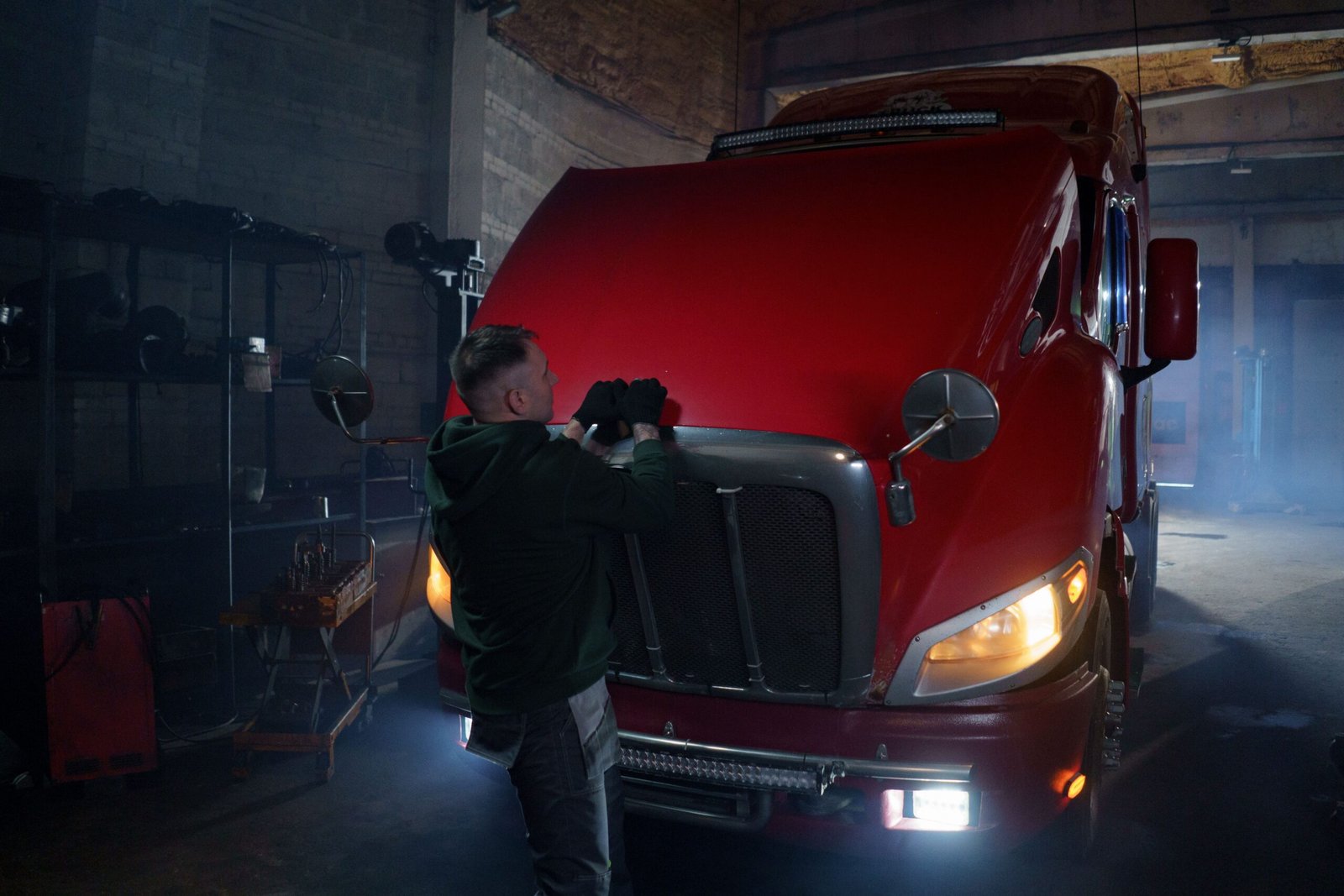
Proper lighting and reflector compliance is an important aspect of commercial vehicle safety. Commercial vehicles such as trucks, trailers, buses, and other commercial motor vehicles operate under varying visibility circumstances, meaning that proper lamps and reflectors are vital for the visibility of these vehicles on highways. The federal government has set standards regarding the placement,…
-
Brake Inspection Requirements Explained

Being able to stop safely is as essential as how quickly the vehicle can accelerate. It does not matter whether you drive a private car or handle a fleet, it is imperative that you are knowledgeable regarding the standards for conducting a brake check. The following discussion provides all the details that you have to…
-
Tire Safety Compliance for Commercial Trucks

It takes more than simply having mapped routes and skilled drivers in order to keep the fleet on the road and profitable. Tire safety compliance is always at the very core of any effective transportation business. Fleet managers and owner-operators can get into trouble by disregarding DOT and FMCSA tire regulations, as OOS notices, large…
-
What Equipment Is Required by DOT?

It seems that keeping up with DOT and FMCSA guidelines is akin to shooting a moving target. Whether you are dealing with an expanding commercial vehicle fleet or work independently as an owner operator, passing a roadside inspection begins by ensuring you have the right safety equipment. According to 49 CFR 393.95, CMVs are required…
-
Post-Trip Inspection Requirements Explained

Post-trip inspections represent the final, vital layer of commercial motor vehicle safety. Federal and regional regulations mandate that commercial drivers evaluate their vehicle’s operational integrity at the end of every work shift. This systematic walkthrough prevents mechanical failures on subsequent runs. Skipping this process invites compliance audits, hefty roadside penalties, and preventable highway accidents. Drivers…
-
Pre-Trip Inspection Checklist Every Driver Should Follow

Whether you are navigating a heavy commercial vehicle through the bustling industrial corridors of Peelamedu or hauling freight down the busy stretches of Trichy Road, safety starts long before you turn the ignition key. For professional commercial drivers and logistics operators in Coimbatore, executing a methodical pre-trip inspection is not just a regulatory compliance measure—it…