-
Staying Road-Ready: Common DOT Compliance Mistakes and How to Avoid Them

For every professional truck driver, DOT compliance is much more than adhering to the regulations; it is about securing their livelihood and protecting their vehicle and self from any hazards. Professional truck drivers could find themselves in situations when compliance with the regulations laid down by the FMCSA could pose problems for them. The awareness…
-
Truck Driver Compliance Checklist for 2026: Proactive Road-Readiness
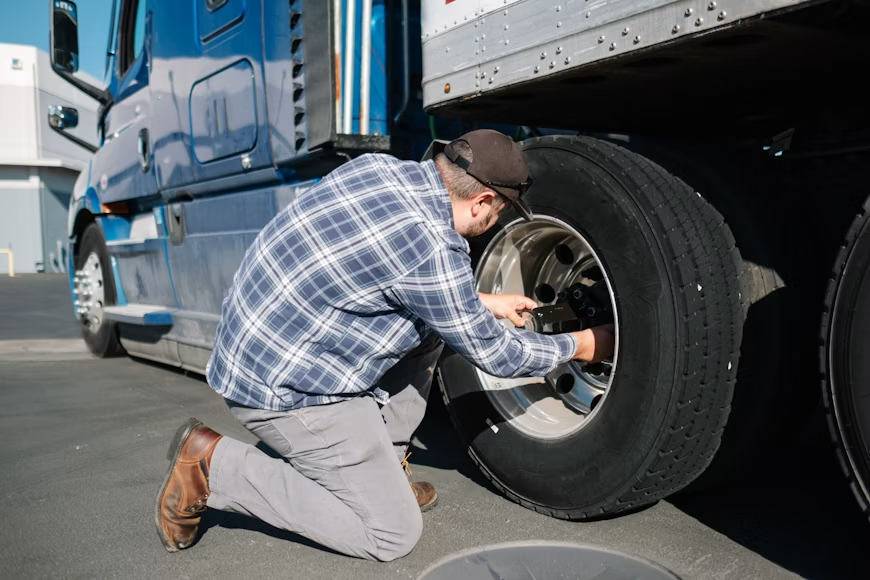
By 2026, however, the commercial motor carrier regulatory climate will have moved from a reactive paper trail to a proactive data-based system. Because the FMCSA is now double-downing on safety-sensitive transparency, not only must you be compliant to avoid being fined; you must also be compliant enough to be able to protect your cargo and…
-
Top Truck Driver Compliance Questions Answered

Maintaining compliance with the FMCSA is the key to successful and safe transportation logistics services. No matter if you are an owner-operator or a fleet manager, understanding and navigating the regulations of the Department of Transportation (DOT) will help you protect yourself. In this compliance guide, we will provide you with answers to the most…
-
Proactive Highway Compliance: A Commercial Operator’s Blueprint for Regulatory Survival

Not only does operating a CMV involve driving skills, but it includes adhering to a tight regulation and compliance with all federal agencies that oversee such operations. For professional drivers, being compliant with regulations becomes a form of structural insurance for your CDL. At the roadside inspection station or mobile scale house, it is your…
-
CDL and ELDT Schools in Waterbury, Connecticut: Complete Guide to Commercial Driver Training
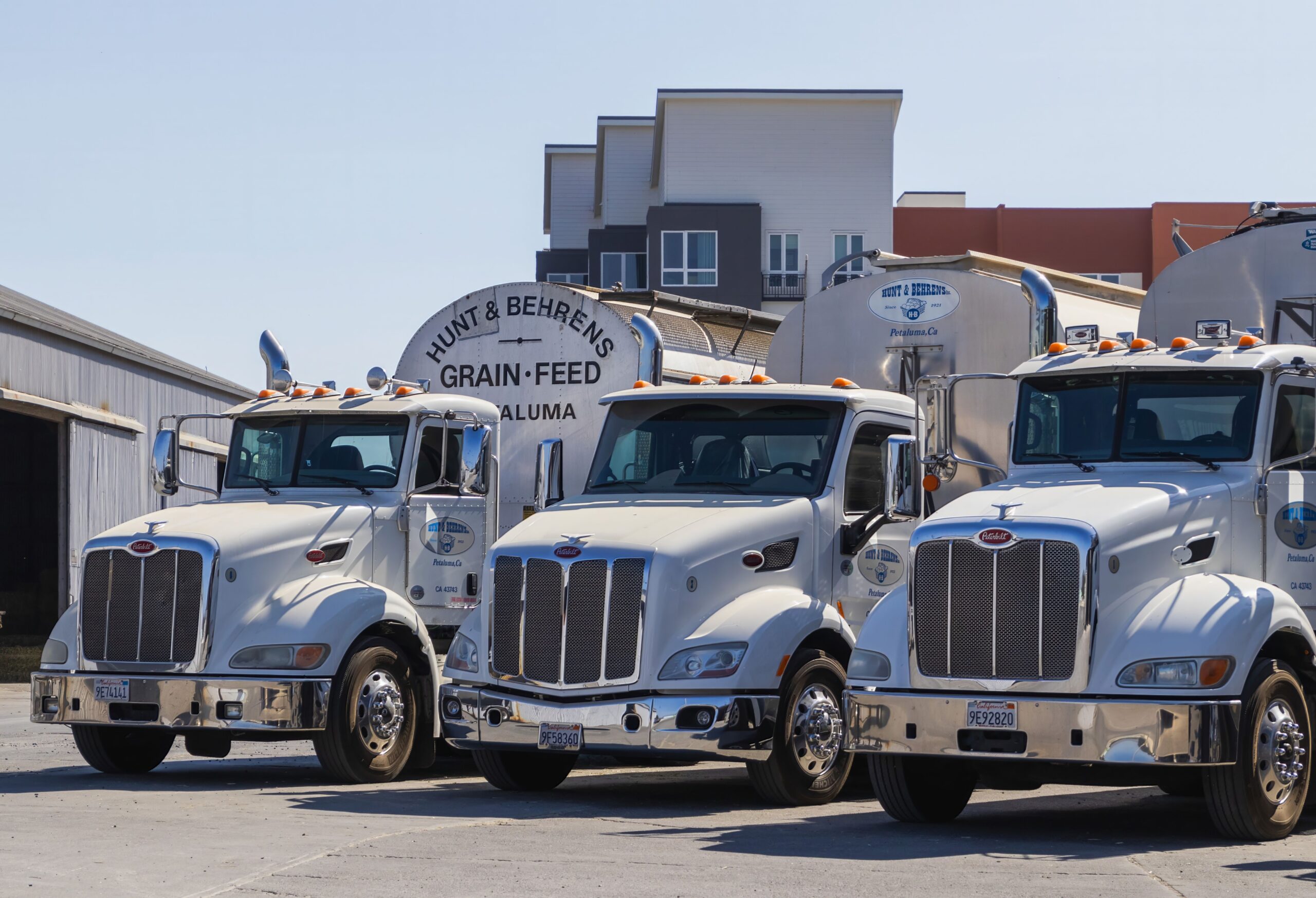
The demand for qualified commercial truck drivers continues to grow throughout Connecticut, making CDL training a valuable investment for individuals seeking stable careers in transportation. Waterbury’s location along Interstate 84 provides direct access to major freight routes connecting New York, Hartford, Massachusetts, and the rest of New England. Enrolling in an FMCSA-approved CDL and Entry-Level…
-
CDL and ELDT Schools in Hartford, Connecticut: Complete Guide to Commercial Driver Training

The commercial trucking industry continues to create strong career opportunities throughout Connecticut, making professional CDL training an important first step for aspiring drivers. Hartford serves as a strategic transportation hub with direct access to Interstate 84, Interstate 91, Route 2, and major freight corridors across New England. Completing training at a qualified CDL and ELDT…
-
CDL and ELDT Schools in New Haven, Connecticut
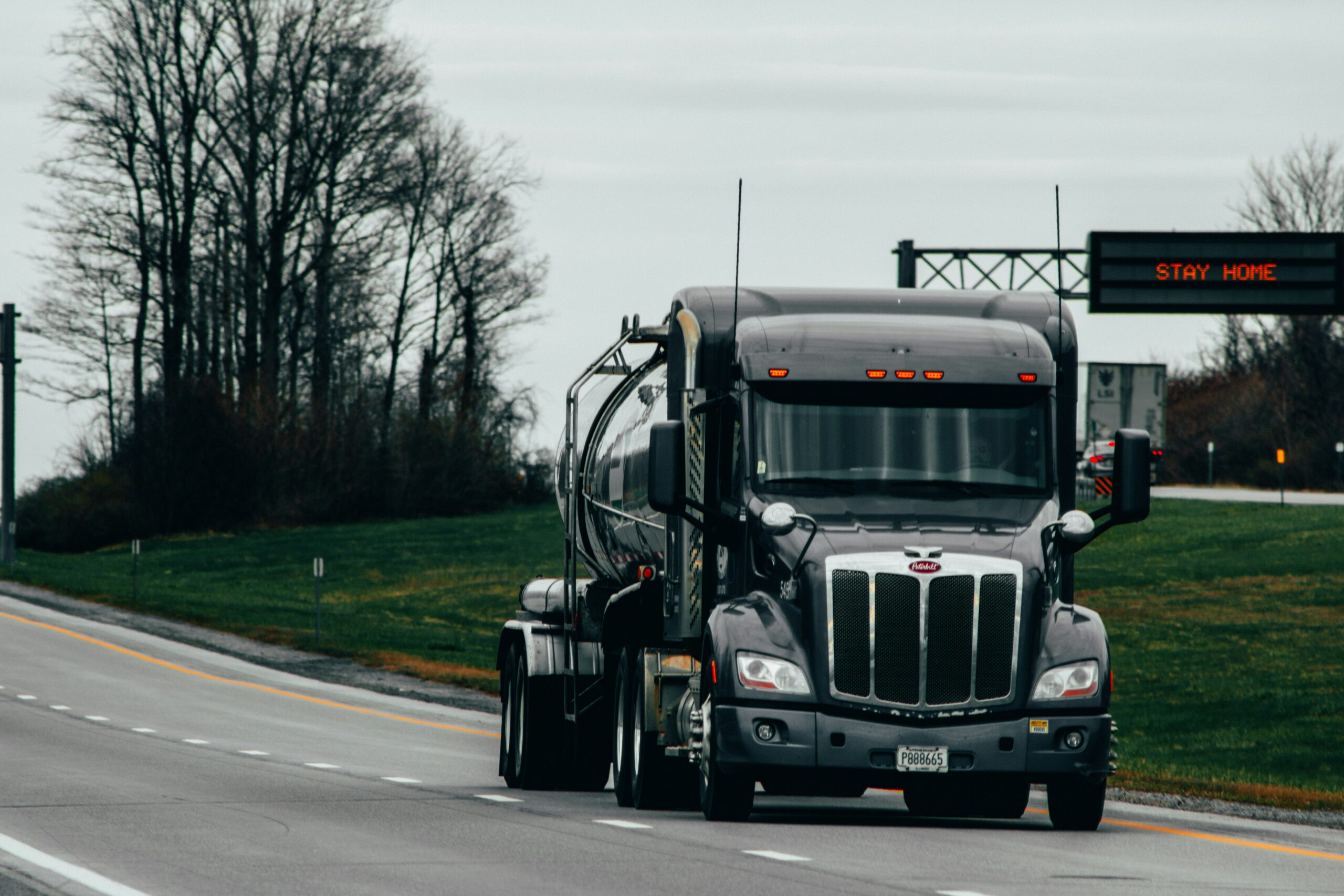
New Haven, Connecticut, is more than a historic coastal city known for higher education and maritime commerce. It also serves as a strategic transportation hub with convenient access to Interstate 95, Interstate 91, Route 15, regional distribution centers, warehouses, ports, and freight corridors throughout the Northeast. These advantages make the city an excellent location for…
-
CDL and ELDT Schools in Stamford, Connecticut: Complete Guide to Commercial Driver Training
Stamford, Connecticut, is one of the state’s major business and transportation centers, creating strong demand for qualified commercial drivers. With direct access to Interstate 95, the Merritt Parkway, and nearby freight corridors connecting New York City, New England, and the Mid-Atlantic region, Stamford provides an excellent location to begin a trucking career. Students searching for…