-
DOT Drug Testing Service in Ohio

Certified DOT Drug and Alcohol Testing in Ohio—Stay FMCSA Compliant Every commercial truck driver in Ohio must abide by the Department of Transportation (DOT) and Federal Motor Carrier Safety Administration (FMCSA) rules about drug and alcohol testing. These tests ensure road safety, uphold professional standards, and help drivers maintain CDL eligibility. When in Ohio, be…
-
DOT Drug Testing Service in North Dakota

In North Dakota, every commercial truck driver as regulated by FMCSA is required to go through DOT drug testing and alcohol testing. Safety on the roads and observance of federal law is ensured through this procedure, which is compulsory. It is of utmost importance for truck drivers to understand the DOT testing process as well…
-
DOT Drug Testing Service in North Carolina

Certified DOT Drug Testing Near You for Staying FMCSA Compliant Every commercial truck driver operating under FMCSA must take DOT drug and alcohol testing. DOT drug and alcohol testing isn’t limited to just truck drivers. In North Carolina, it covers almost every city, like Charlotte, Raleigh, Greensboro, Durham, or Fayetteville. It is worthwhile to note…
-
DOT Drug Testing Service in New York

DOT Drug Testing of Truck Drivers in New York: Local Testing Guide with Full Compliance All commercial drivers operating under the Federal Motor Carrier Safety Administration (FMCSA) in New York must comply with the DOT drug and alcohol testing regulations. Knowing how the DOT drug testing process flows will help you stay compliant and retain…
-
DOT Drug Testing Service in New Mexico

DOT Drug Testing for Truck Drivers in New Mexico: Full Compliance & Local Testing Guide All truck drivers and employers working under FMCSA regulations must adhere to DOT drug testing in New Mexico. Understanding the DOT drug testing is necessary for the truck drivers so that they can maintain their CDL while providing safety to…
-
DOT Drug Testing Service in New Jersey
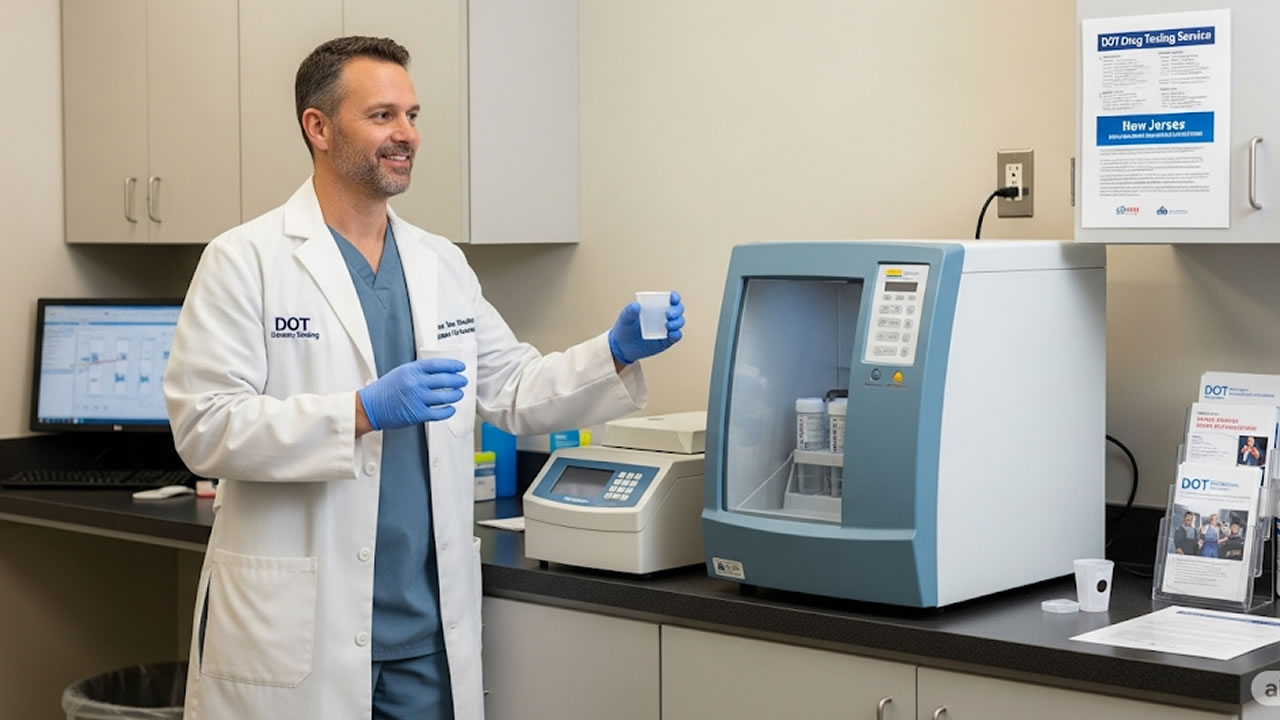
DOT Drug Testing New Jersey Truck Drivers: Complete Compliance & local Testing Guide Recognizing the necessity of DOT drug testing in New Jersey, all drivers of commercial motor vehicles (CMV) and employers have their obligations under the Federal Motor Carrier Safety Administration (FMCSA) regulations. Truck drivers and carriers across major New Jersey cities like Newark,…
-
DOT Drug Testing Service in New Hampshire
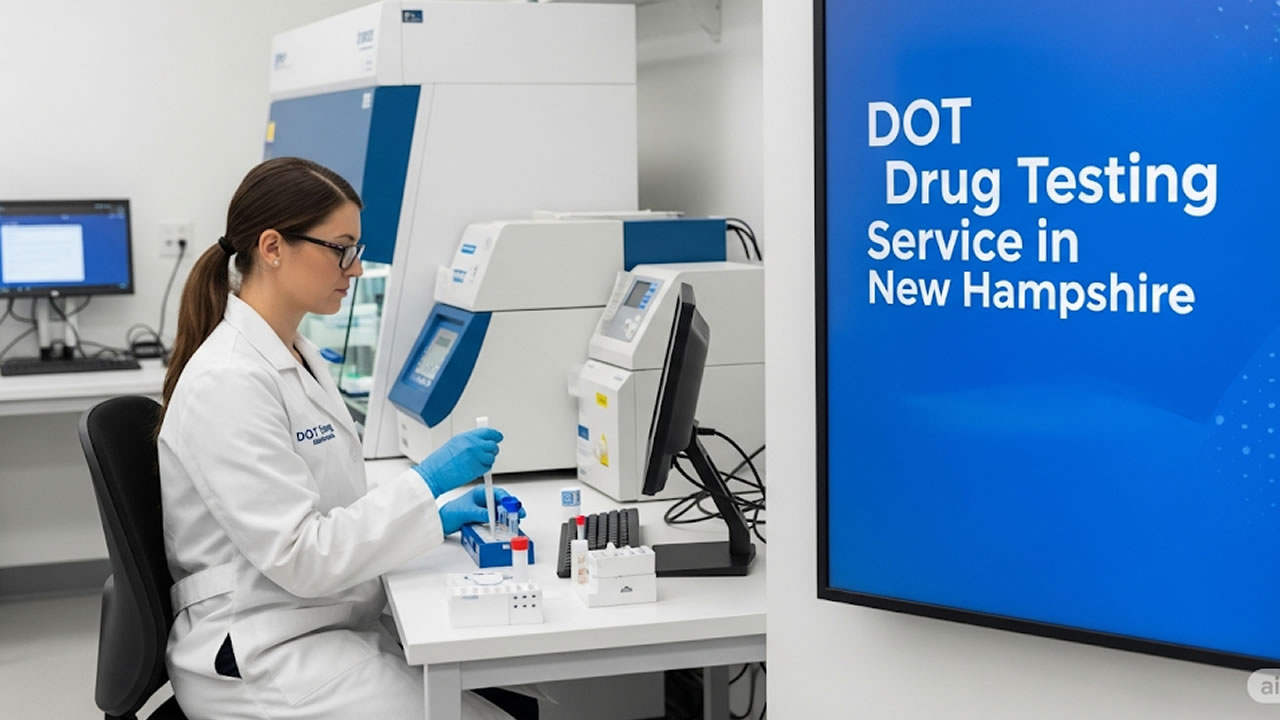
DOT Drug Testing New Hampshire Truck Drivers: Total Regulations Handbook All truck drivers or commercial motor carriers are supposed to remain compliant with DOT drug testing in New Hampshire as a prerequisite. All holders of a CDL and employers must follow very strict DOT rules about drug and alcohol testing for safety reasons enforced by…
-
DOT Drug Testing Service in Nevada
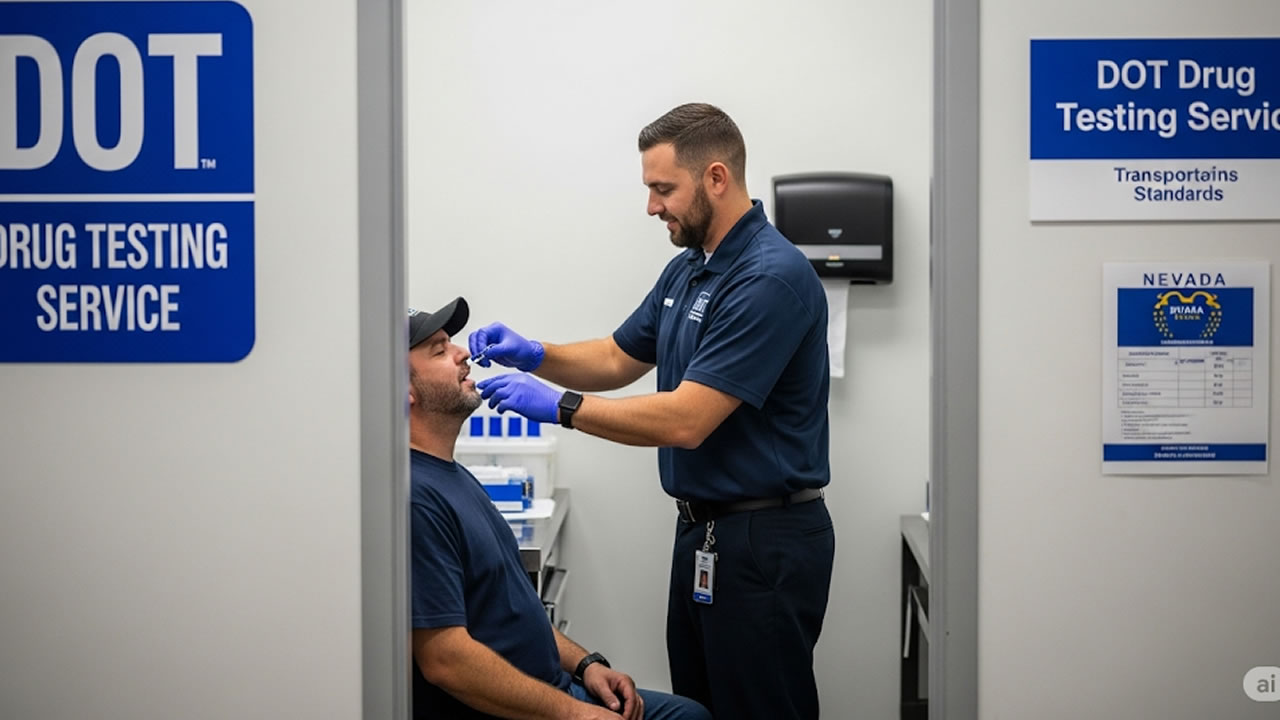
Calling for mandatory drug and alcohol testing among commercial drivers operating in Nevada, the DOT ensures road safety and compliance with statutes for every motor vehicle. Whether you are an owner-operator, fleet driver, or trucking company, it is essential to know how it works regarding DOT drug testing in Nevada. You should also know where…